
Award Meeting
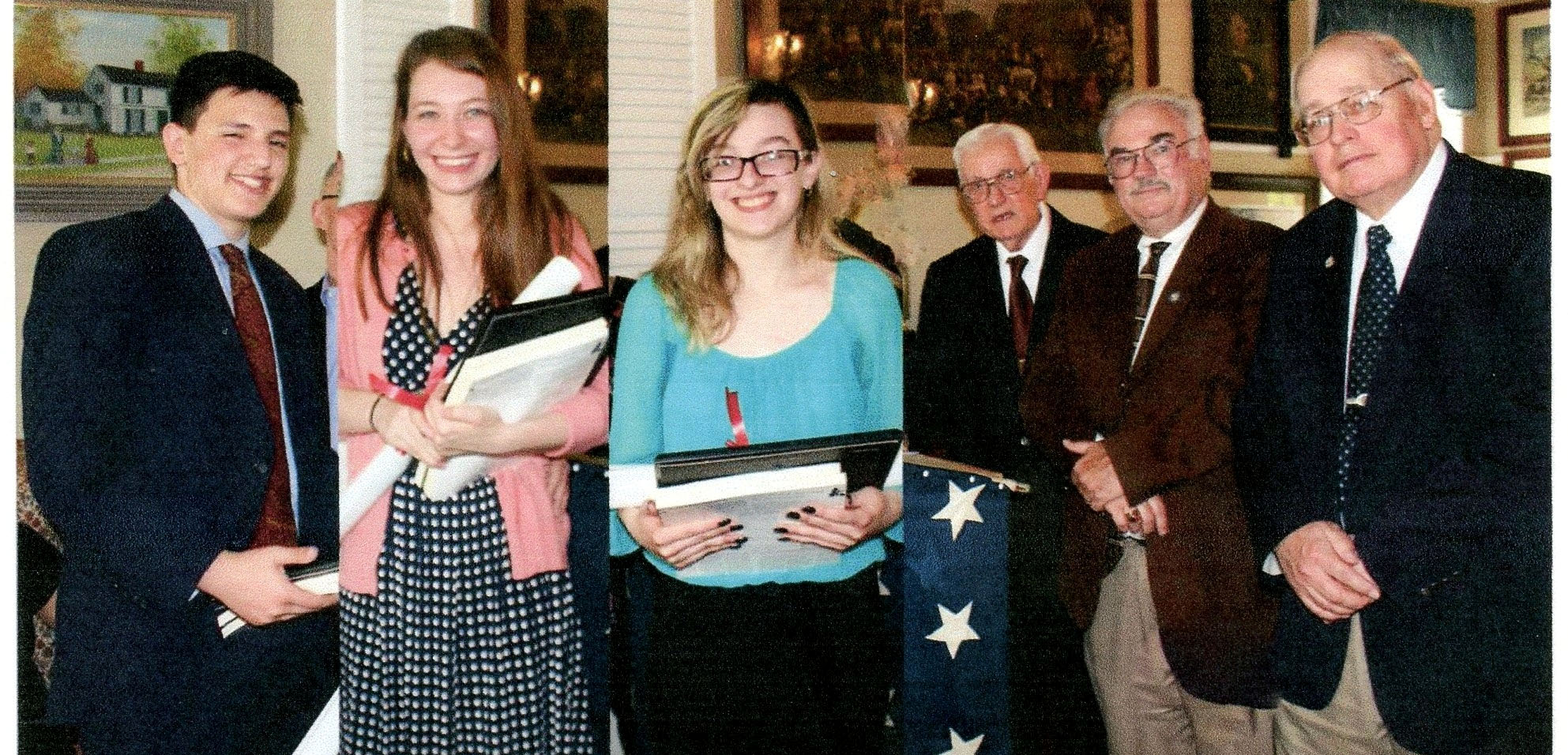
The meeting of May 20 was held in the Hanson House, and at that time scholastic awards were presented to four graduating seniors of Union County high schools. The recipients were Benjamin Schachter of Summit High School, Jacqueline Pothier of Kent Place School, Aiseosa Iyahen of Hillside High School, and Gianna Lepanto of Mother Seton Regional H. S.
Each award consisted of money, a framed certificate, a large poster about the Union County Court House and two books of local history, published by the Society. Miss Iyahen was not present, as she was off on a school trip, but her father accepted the award for her.
The presentations were made by Michael Yesenko, chairman of the committee, who was assisted by Richard Esperon, after which refreshments were served.
Annual Meeting of Officers
The annual meeting of the officers and trustees will take place on August 19, 2018 in the Hanson House at 1:30 pm. At this time the various details for the activities of the society for the coming year will be worked out, including a slate of candidates for any open positions on the board.
This slate will be announced at the Sept. 9 picnic meeting, for the election to be held at the Oct. 7, 2018 meeting. Any member wishing to be placed on the slate is invited to so inform the committee. It will also be possible to do so when the slate is presented at the picnic.
Next Meeting Date
As there are no meetings in July and August, our next meeting will be on September 9, at the Hanson House. This will be our annual Picnic, to be held in the back yard of the house, starting at 2 pm. In case of rain, it will be held inside, but it will be held. All are invited, including guests, and members are asked to bring picnic type food. The society will provide the soda, hamburgers, and hot dogs. Come enjoy the afternoon!
Pictures from Our Files
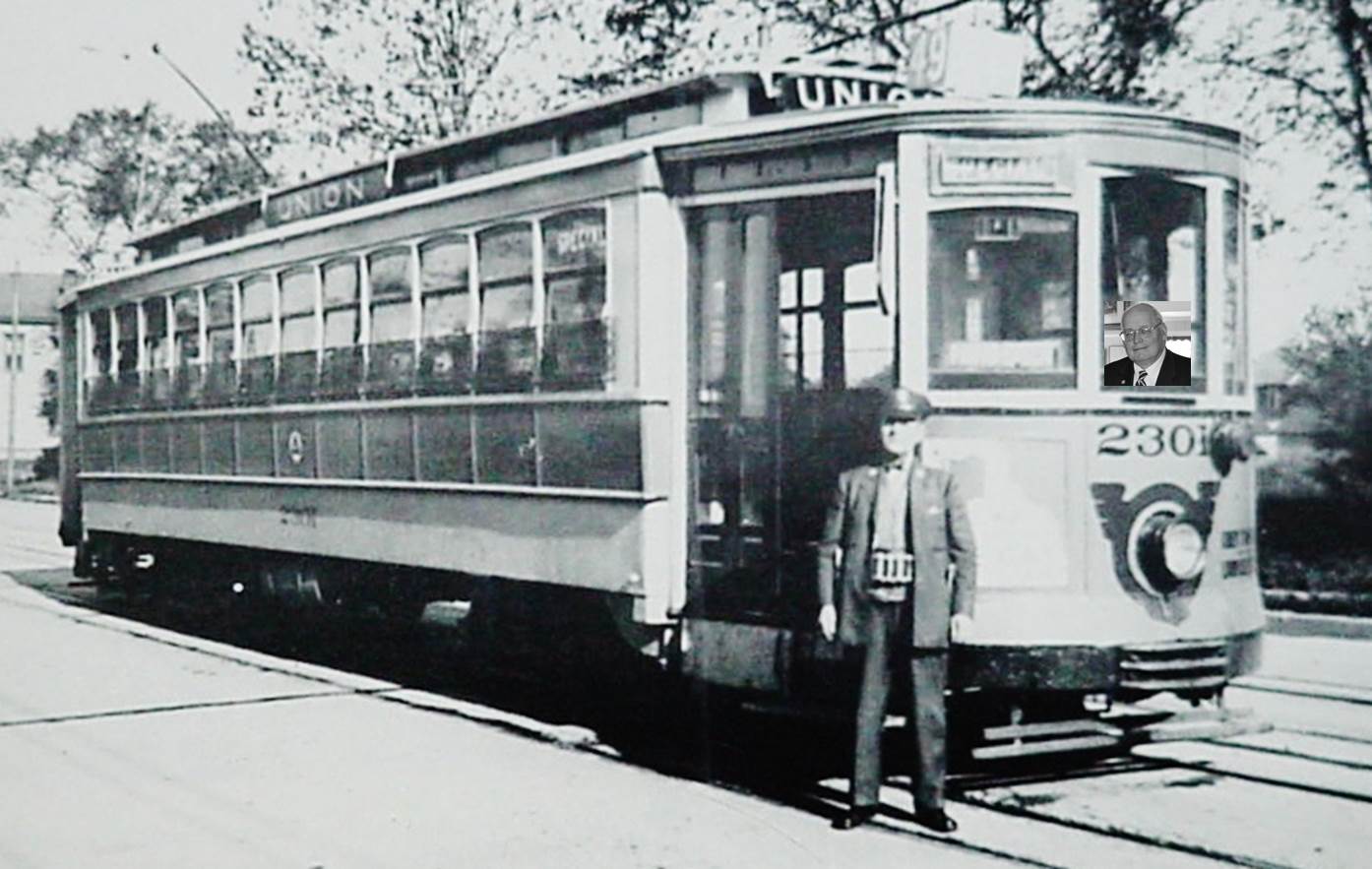
Pictured above is one of the many trolley cars that once traveled the streets of almost everywhere in New Jersey and throughout our country. Riding on steel rails set in the middle of the streets and powered by electricity from overhead wires, they had replaced the horsecars that had once traveled on rails over those same streets. Now, they too, have been replaced by buses and automobiles, except for a very few still operating as light rail systems.
It was once possible to travel almost anywhere in the state by these trolley cars by transferring as necessary from one car to the car of another route although a trip of several miles might take a couple of hours of time. In most cities there was a network of rails with switches that allowed cars to ride the main line and be diverted to another route. Each car and its route were designated by a name and number, such as the Union route that traveled between Newark, Elizabeth, Roselle, Cranford and beyond.
Each route had its marked stops, usually at an intersection, and if there were passengers wanting to get on or off, the motorman stopped the car and opened the door. A step unfolded for the use of the passengers who exited or boarded the car, and by law, all traffic alongside the trolley had to stop until the car was again in motion.
Upon entering a car, a passenger dropped his fare, usually a nickel, into the fare-box, and watched it trickle down a funny little chute and be recorded. Each route was marked with fare-limits, and should a rider pass into another section, he would deposit another nickel as he left. Most fare limits were of the length of the route traveled within a town. The motorman had a change carrier filled with coins on his belt, and could make change for a passenger if necessary.
The cars drew their electricity from the overhead wires by means of a spring-loaded trolley pole with a small grooved wheel at its tip. The power was grounded by means of its iron wheels and steel rails. Both ends of the cars were identical, and could be driven from either end, eliminating the need to turn around at the end of a route. There were also trolley poles at each end, with the unused pole pulled down by an attached rope. On occasion, a misguided individual might use that rope to dislodge the connected pole and disable the car, much to the annoyance of the motorman, who then had to get out and re-position the pole on the wire in order to continue operating.
When the famous Arches of Elizabeth were built in 1900, both main arches had two-way traffic with trolley rails only in the east arch. Switches beyond the arch allowed trolleys to ride over Railroad Place to Morris Avenue and beyond. This worked for a few years, until automobile traffic increased, and then the arches became a sort of traffic circle, with only one-way traffic in each arch. However, the rails were not moved and a north-bound motorist sometimes found himself facing head-on to a south-bound trolley car. This problem continued until the trolleys were replaced with rubber-tired busses.
On some routes those busses were dual-powered, with both electric motors and diesel engines. Using either source of power, these trolley-busses could move from side to side in traffic. They had long flexible poles sliding on overhead wires for their electricity. However, because their rubber tires did not ground on rails, it was necessary to add a second overhead wire and a second trolley pole.
Over the Back Pence
What is it that demands an answer without even asking a question? A telephone, of course.
Frequently Asked Questions
Who received student awards at the May 2018 UCHS meeting?
The recipients were Benjamin Schachter (Summit High School), Jacqueline Pothier (Kent Place School), Aiseosa Iyahen (Hillside High School), and Gianna Lepanto (Mother Seton Regional H. S.).
What was the “Union” trolley route described in Issue #143?
The newsletter describes the Union route as a trolley line that traveled between Newark, Elizabeth, Roselle, Cranford, and beyond, as part of New Jersey’s once-wide rail network.
Related Newsletters

A rainy-day indoor picnic, election announcements, a holiday meeting preview, and a look at early Ford touring car repairs.

Picnic meeting notice, Roselle church anniversary, Edison lighting history, Boxwood Hall, and reflections on photography and history.



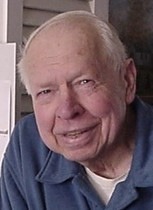 Our longtime friend and Society Treasurer, Bill Frolich, sadly passed away on September 30th 2021. He was 101 years old, a 45-year member of UCHS, and the writer/editor of our Newsletter. Bill and his extraordinary knowledge of Union County history will be greatly missed.