

Memorial to the Caldwells
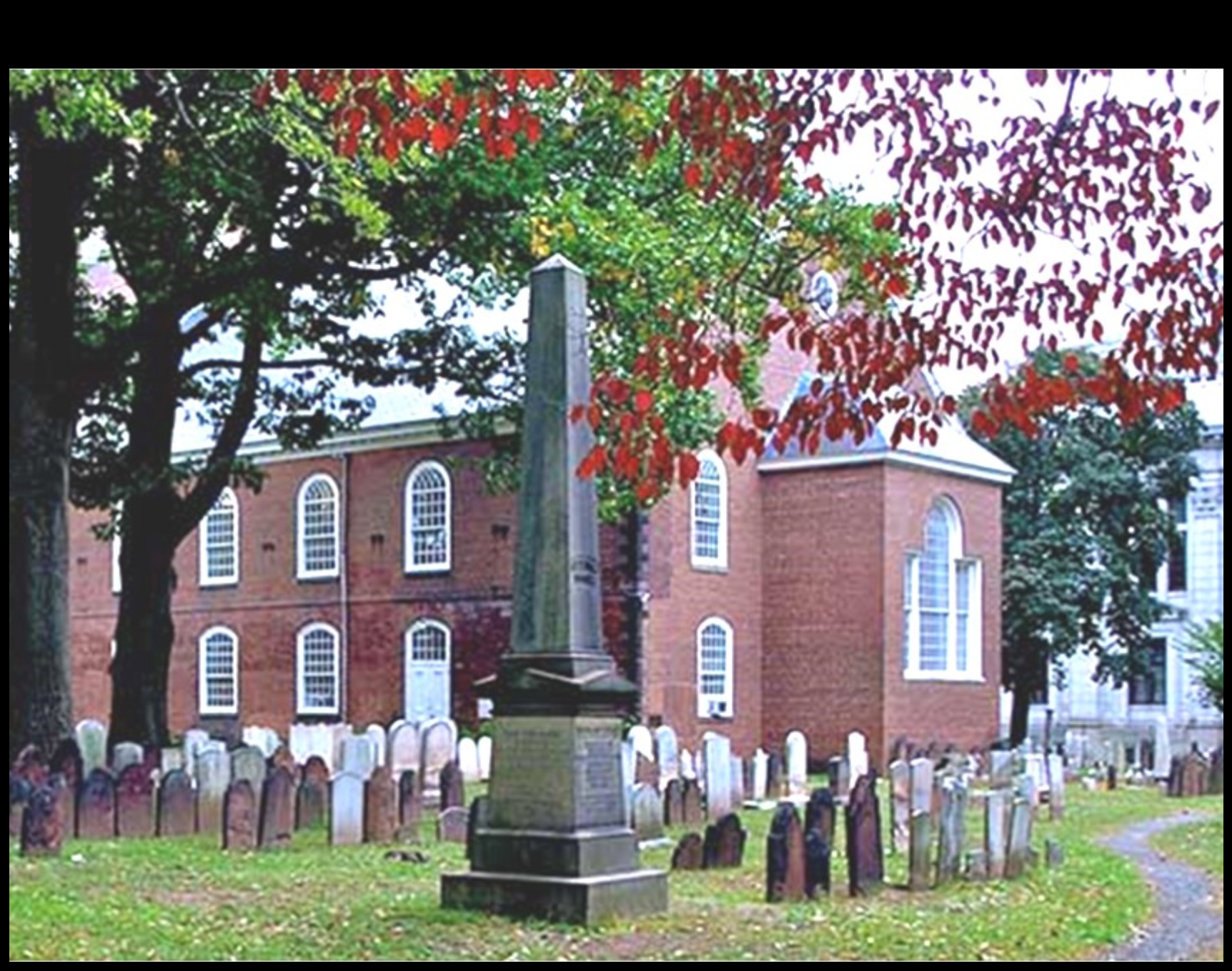
Standing tall above the gravestones at the historic First Presbyterian Church Cemetery in Elizabeth is a stone obelisk dedicated to James and Hannah Caldwell and their selfless contributions to the American cause. Erected in 1845, the monument honors Reverend James Caldwell—ordained pastor, revolutionary leader, Quartermaster General, and Chaplain to the New Jersey Brigade. He was tragically shot and killed in Elizabethtown in 1781.
Known for fiery, persuasive sermons, Caldwell inspired dozens of parishioners to join the struggle for independence, including forty commissioned officers. After repeated British attacks, he often preached with loaded pistols on the pulpit. By 1777, his reputation was so significant that Congress awarded him two hundred dollars for “extraordinary services.” The British, deeply concerned with the influence of the “Fighting Parson,” placed a price on his head.
The monument also honors Hannah Ogden Caldwell, wife of James and mother of their nine children. She was killed in her home in present-day Union after the Battle of Connecticut Farms in 1780. Her death, at the hands of a British soldier while holding her youngest child, deeply shocked the region and galvanized patriot resolve. Her memory endures today in the official seal of Union County.
News of Mrs. Caldwell’s murder fueled patriot determination. Two weeks later, at the Battle of Springfield, American troops drove back the British advance. When soldiers ran out of musket wadding, Caldwell famously tore pages from Watt’s hymnals, calling to the men, “Give ’em Watts, boys.” Weathered but standing strong, the sandstone monument remains a testament to the Caldwells’ sacrifice. Restoration work is now underway in preparation for the nation’s approaching 250th anniversary.
Celebrate Women’s History with UCHS
John Prescott, History Program Coordinator for the Union County Office of Cultural and Heritage Affairs and a UCHS Board Trustee, will present a program on Celebrating Union County Women’s History on Sunday, March 6 in honor of Women’s History Month.
“Union County is fortunate to have a rich and diverse history of eminent women leaders predating the American Revolution,” said UCHS President Joanne Rajoppi. “We look forward to sharing this heritage with our members and friends.”
The meeting and program begin at 2:00 pm at the Hanson House, located at 38 Springfield Avenue in Cranford. All are welcome. Refreshments will be served.
Save the Dates
- March 6: Regular UCHS Meeting, Hanson House
- April 6: Introduction to Oral History Workshop (TBA)
- April 10: UCHS Luncheon, Garden Restaurant
Thoughts About the Last 100 Years by Bill Frolich (Continued)
For baked goods, everyone went to Brownfield’s Bakery, and the crowds showed it. On Saturday mornings, Morris Avenue was nearly impassable, with cars double-parked on both sides. Plates from many counties filled the streets. Inside, customers pulled numbered cards to hold their place in line. The wait was worth it—hardly a crumb survived Sunday breakfast.
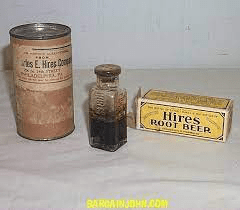
Some families made their own root beer, using saved bottles, sugar, a large bowl, water, and a bottle of Hire’s Root Beer Extract. After mixing and bottling, the corks were left to age for two weeks. The first cork to pop signaled that the homemade brew was ready. Its flavor made the wait worthwhile.
Today, supermarkets carry many products once offered only by small shops. Specialty stores now fill the malls instead of the neighborhood storefronts of earlier years.
Telephones and Early Technology
Some households owned candlestick telephones, though many did not. These phones had a tall mouthpiece column and a separate receiver hanging on a hook. Calls involved simply lifting the receiver and asking the operator for a name. Operators knew the numbers by heart. If an unwanted caller reached you, holding the receiver to the mouthpiece produced an irritating feedback screech that discouraged further calls.
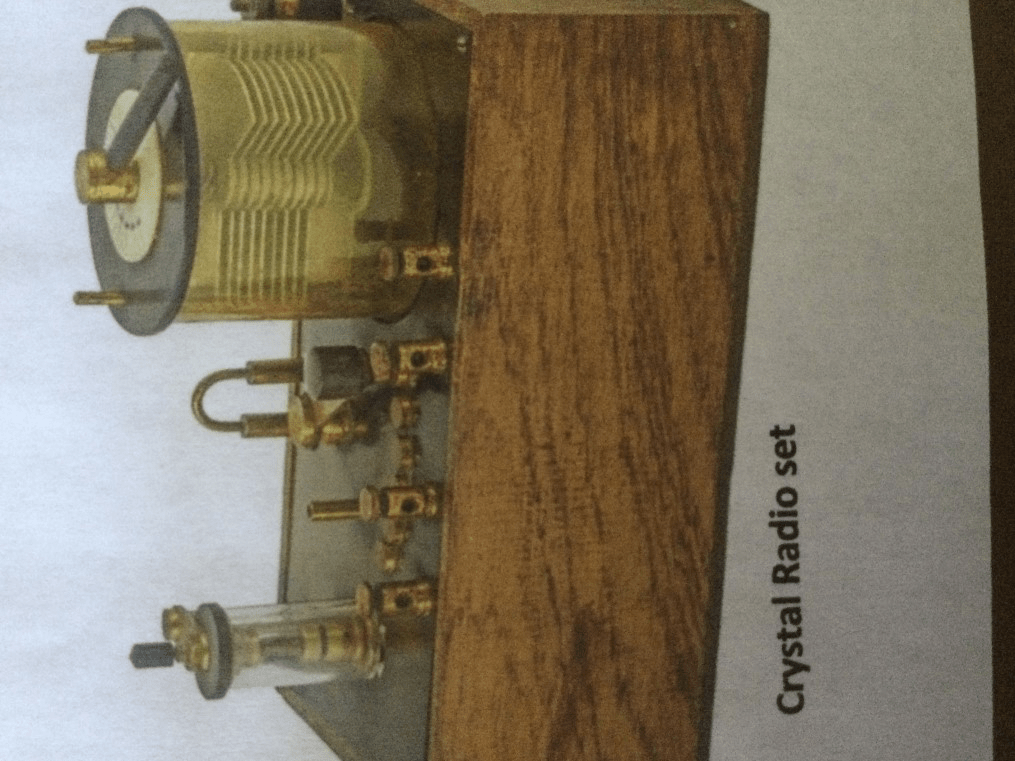
Radios were initially simple devices with mysterious dials and earphones but no speakers. Antennas were long wires stretched from the radio to a pole in the yard. Some experimented with building their own crystal sets, using wire coils, crystals, and a “cat’s whisker” wire to locate a signal. Simple, but effective—and fun.
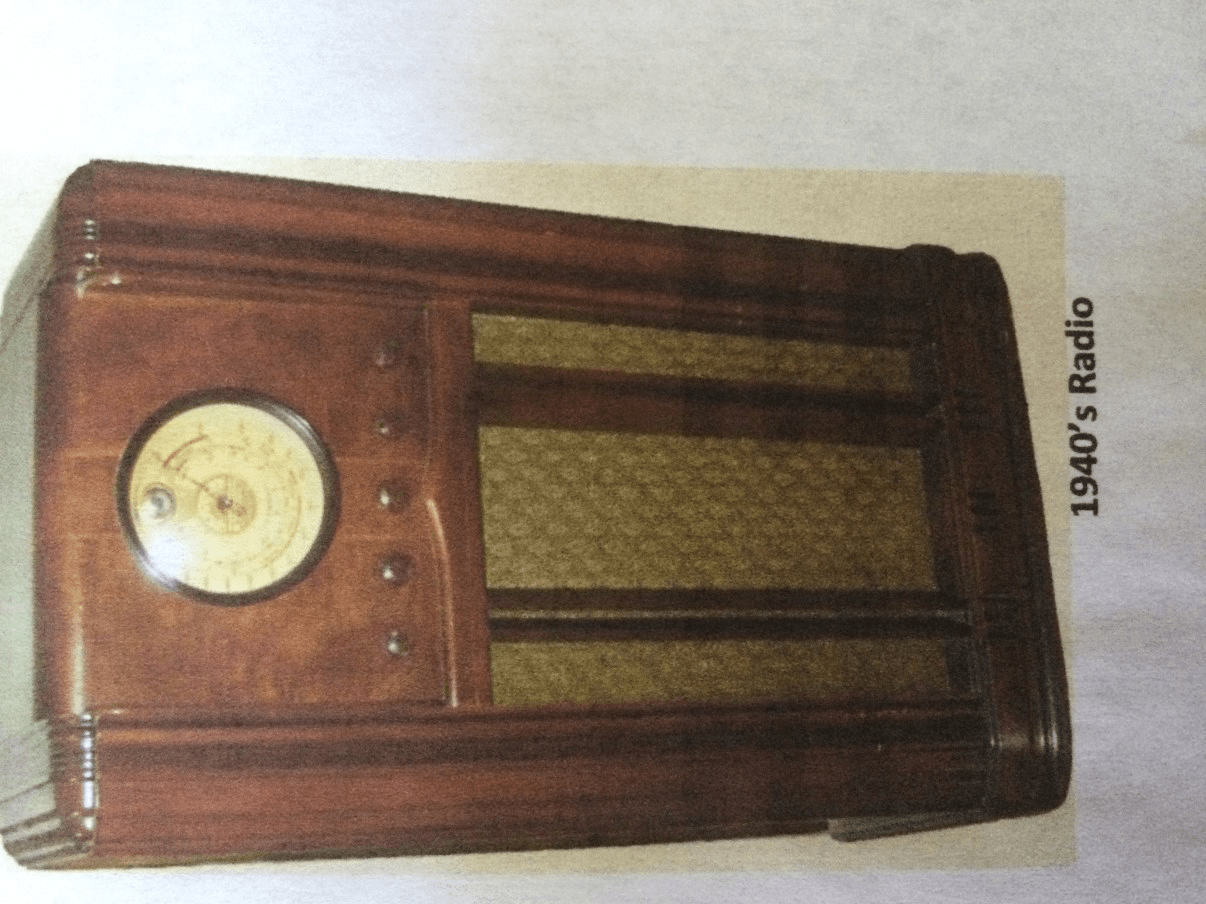
Later radios featured wooden consoles with tuning dials and fabric speaker grilles. These devices became the centerpiece of many living rooms as families gathered to listen to news, music, and entertainment.
Over the Back Fence
When are we going to bring back that ear-piercing feedback screech that discouraged unwanted callers?
Related Newsletters
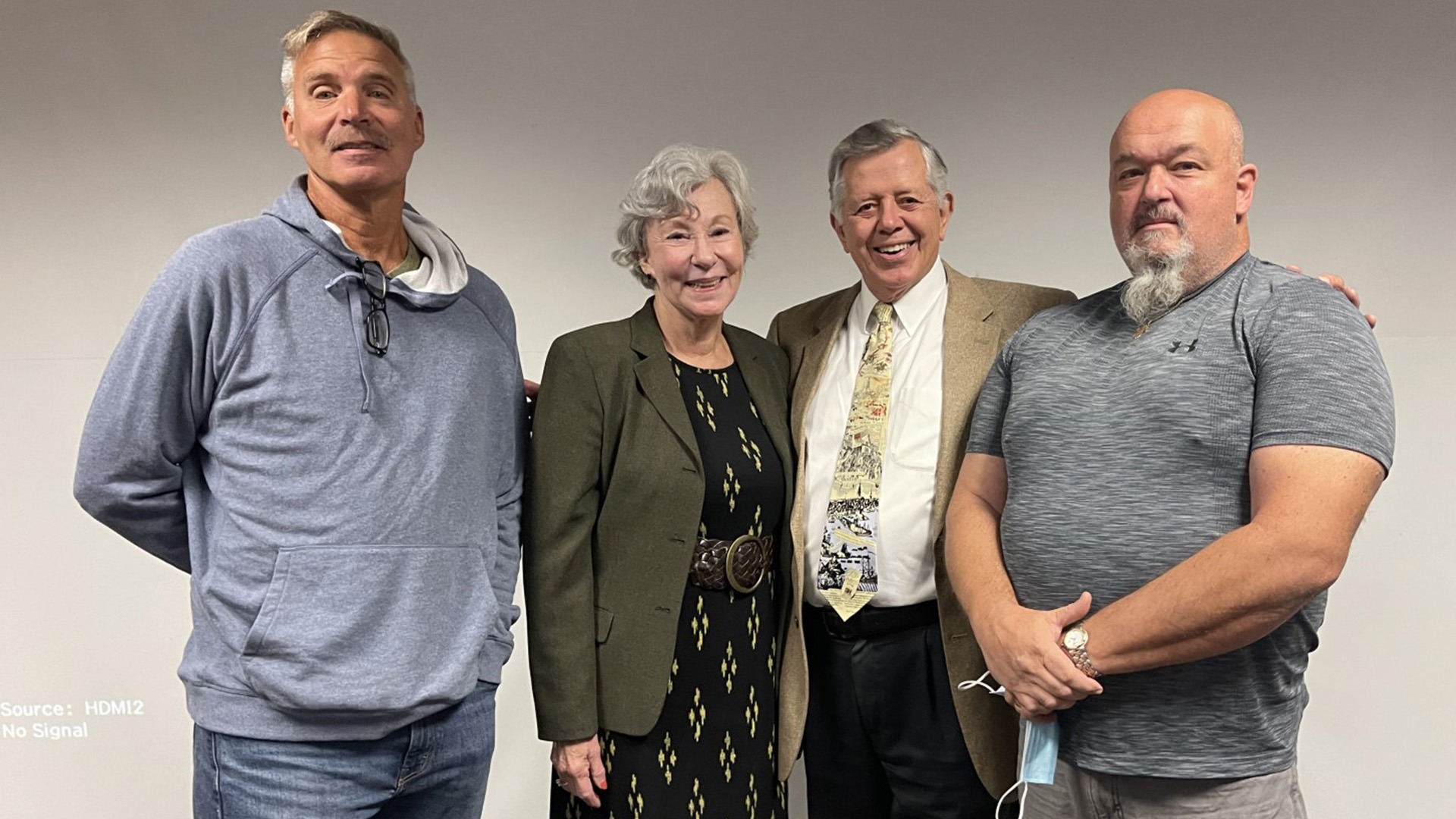
Nov–Dec 2022 UCHS newsletter featuring Dr. Boright’s true crime program, newly elected officers, and festive holiday reflections.
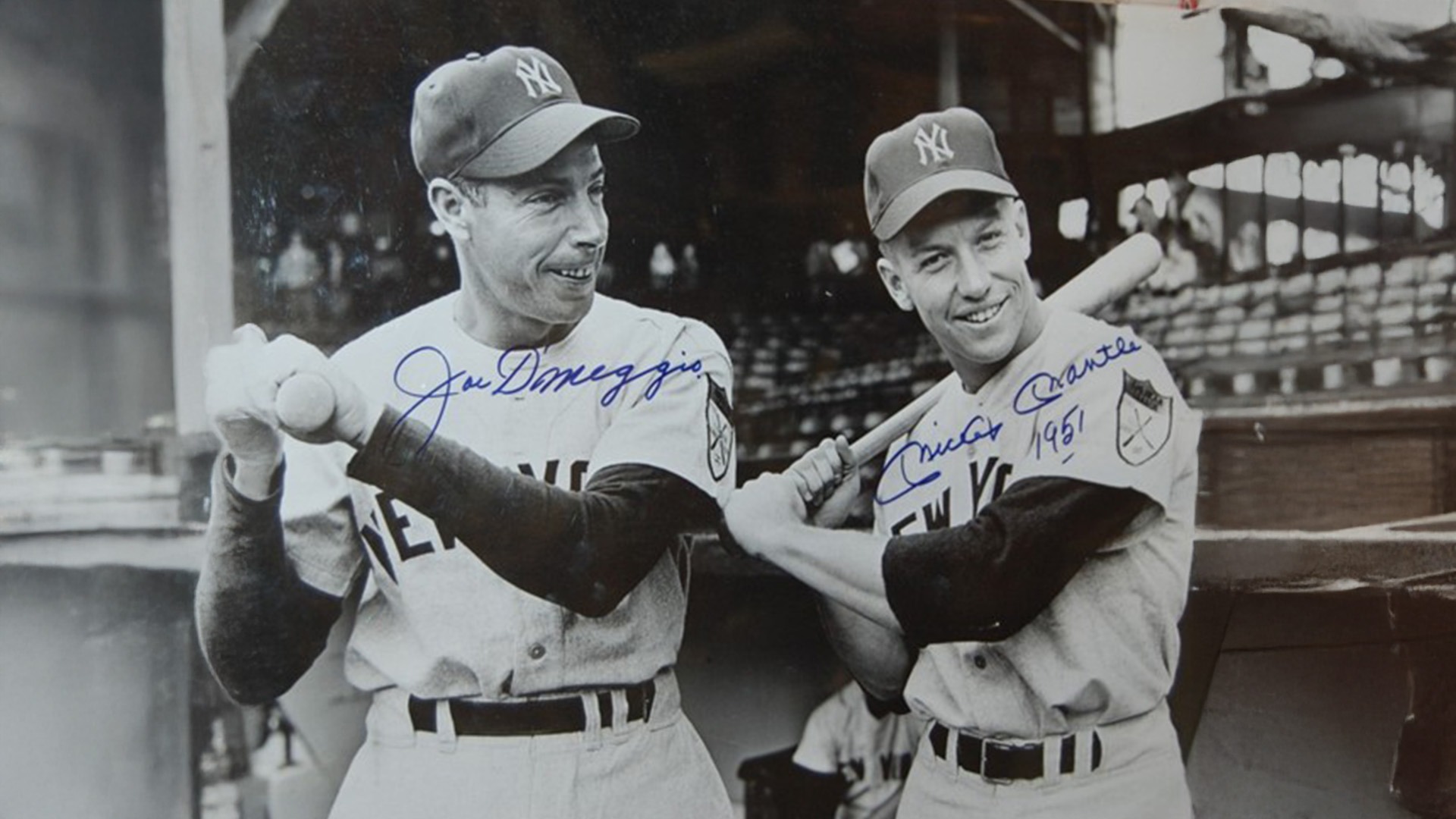
Student awards, an inspiring annual luncheon, and Bill Frolich’s reflections on a century of sports, radio, and popular culture.


 Our longtime friend and Society Treasurer, Bill Frolich, sadly passed away on September 30th 2021. He was 101 years old, a 45-year member of UCHS, and the writer/editor of our Newsletter. Bill and his extraordinary knowledge of Union County history will be greatly missed.