
Highlights include Joanne H. Rajoppi’s Crane’s Ford DAR recognition, upcoming Society meeting dates, a Titanic lantern-slide image from Elizabeth, program updates, and a restoration call for a 1903 Orient Buckboard.
Crane’s Ford DAR Award
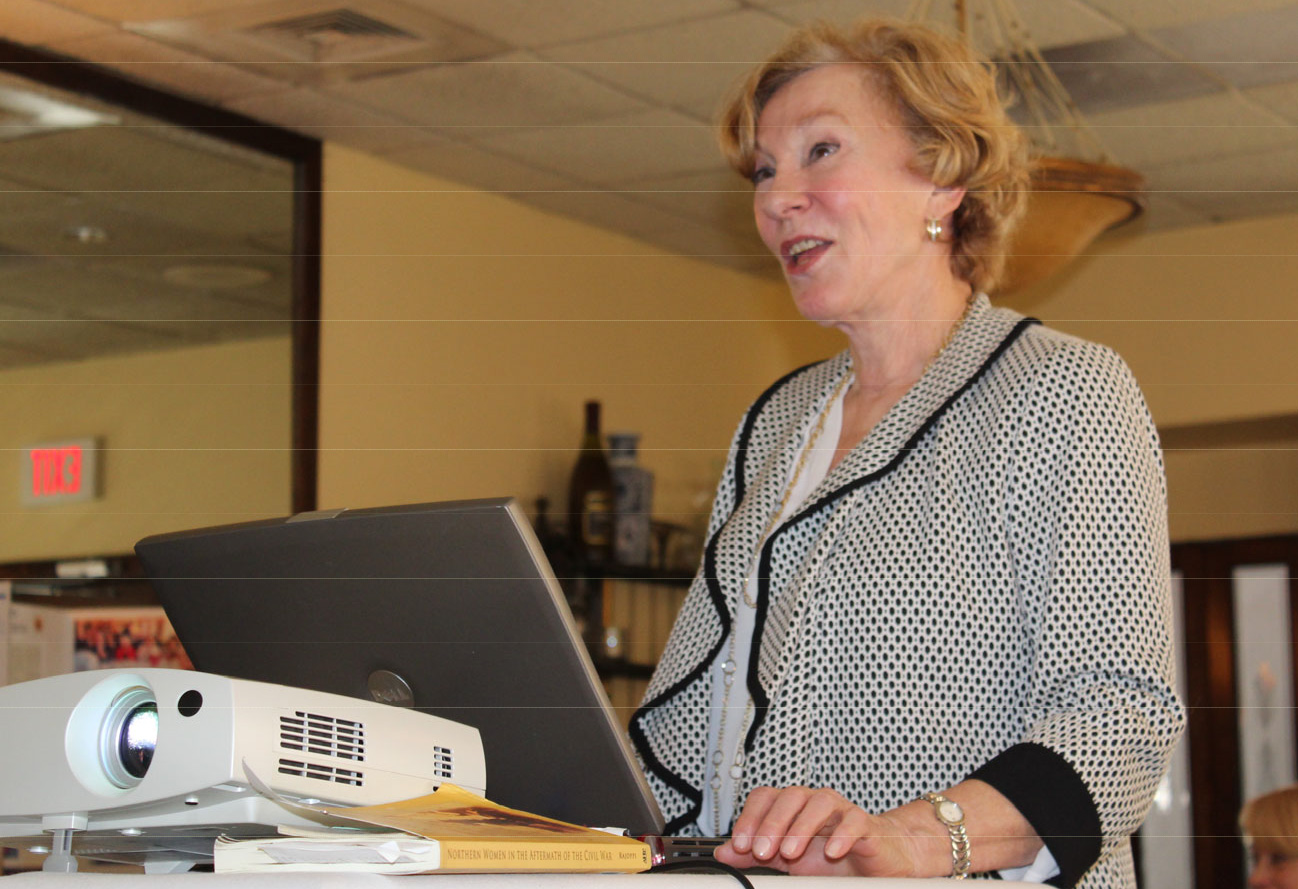
On March 10, 2018, the Society’s vice-president, Joanne H. Rajoppi, will be the recipient of the “Women in American History Award” presented by the Crane’s Ford Chapter of the DAR. The award recognizes women for contributions to history, culture, and society. Rajoppi is the first woman County Clerk in the 161-year history of Union County and has served as Springfield mayor, a County Freeholder, and a New Jersey Assistant Secretary of State. She is also the author of several books, including Northern Women in the Aftermath of the Civil War.
Next Meeting Dates
The next meeting of the Society will be held at 2:00 PM on March 4 in the Hanson House. Arrangements have been made for a program at the close of the meeting featuring Paul Salomone of the Elizabeth Resolutes, with a discussion about early amateur base ball dating back to 1866.
The April 8 meeting will be the annual dinner meeting at the Garden Restaurant on Magie Avenue in Elizabeth, near the border with Union. A program will be presented and only necessary business will be conducted. The event begins at 2:00 PM. The dinner cost is $30 and must be paid in advance; to maintain that price, at least thirty guests are needed. A menu, order blank, and envelope are included with the newsletter, and members are encouraged to send orders early to assist the committee.
Winter Weather
Business in the Cranford office was suspended during the last weeks of 2017 due to the holidays, and the first weeks of 2018 were impacted by winter weather. Snow and ice made driving dangerous, and office staff members chose to remain home rather than risk an accident. Needed work was still accomplished from home during that period, and the Society expressed regret for any inconvenience to visitors who hoped to find the office open.
Pictures From Our Files
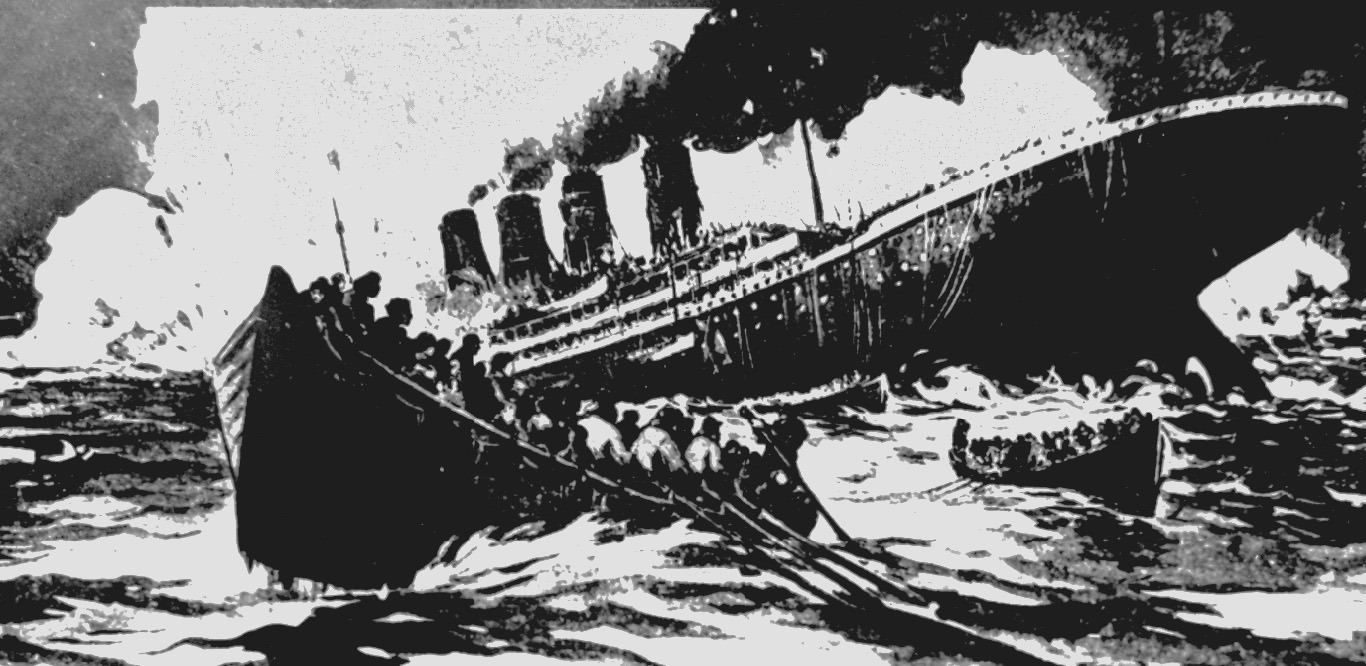
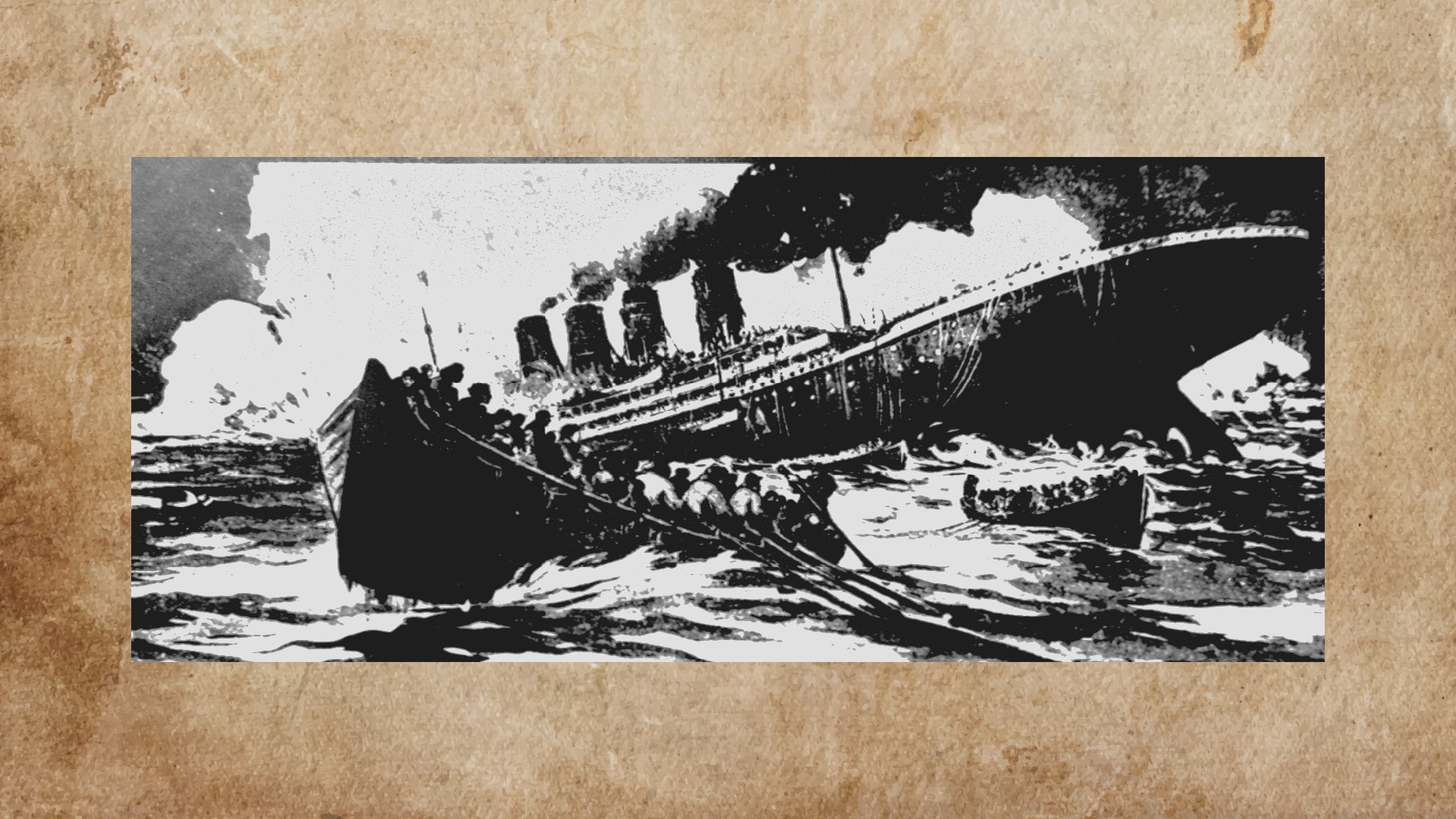
It is almost exactly one-hundred five years since one of the greatest disasters at sea occurred, when the Royal Mail Ship Titanic struck an iceberg in the North Atlantic and sank two hours and forty minutes later. The image shown is an artist’s conception of the sinking, with survivors escaping in lifeboats. The picture comes from a lantern slide that was used in a neighborhood movie theater in Elizabeth shortly after the disaster.
The Titanic left Southampton on April 10, 1912 on her maiden voyage to New York City but never arrived. At 11:40 PM ship’s time on April 14, 1912, she struck an iceberg in a glancing blow that opened an underwater gash, perhaps 300 feet long. In sinking, she caused the deaths of 1,514 of the 2,224 persons on board. Lifeboats were carried for only about half that number, reflecting the belief—widely repeated at the time—that the ship was unsinkable. Events proved otherwise.
Over the years, many ideas have been proposed about raising the wreck, but none have been attempted. Later explorations concluded such an effort would be impossible. The wreck lies more than 12,000 feet down and is broken in two, possibly at the moment of sinking. In 1985, underwater exploration located the remains; photographs indicate the bow section is somewhat intact while the stern is almost completely flattened and destroyed.
Hospital Report
Bill Frolich, the Society’s treasurer, reported that he had just completed another week-long stay in the hospital in Elizabeth. He described repeated checkups, X-rays, blood pressure readings, early-morning blood draws, and injections at all hours, while also noting that the medical service and nursing care were excellent. Meals were another matter, with frequent menu discussions and food arriving that was neither ordered nor desired—proof that a meal in bed is not always the thrill it is imagined to be.
Trading Cards
An adequate supply of trading cards remains available at historic sites participating in the county’s “Four Centuries in a Weekend” program. After some sites ran short or lacked cards in October, more were printed and additional cards were added and distributed. The county’s continued printing and placement of these cards is an ongoing effort to encourage interest in local history dating back to 1664.
Once known as the Elizabethtown Tract, the Union County area marks the start of English history in New Jersey and now includes twenty-one communities, each with its own story. The trading cards are intended to increase public interest by featuring people and activities rooted in the county’s past.
Over The Back Fence
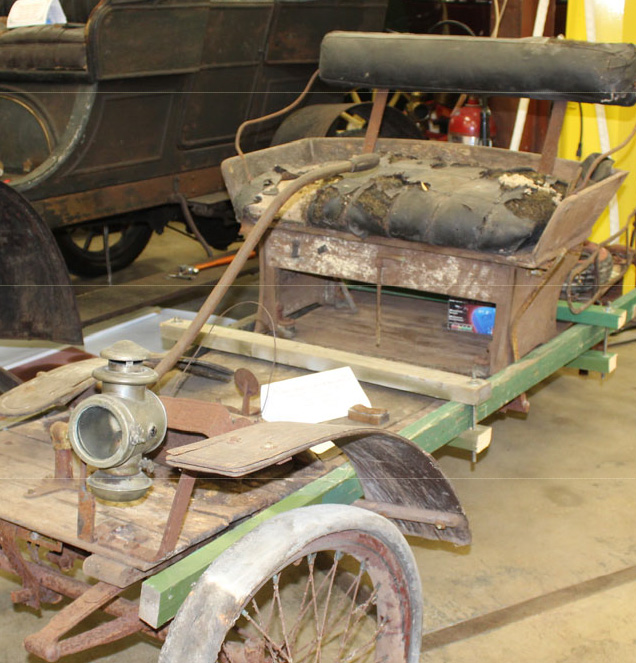
Bob Abbott asked who might be interested in helping restore a 1903 Orient Buckboard, pictured here in its unrestored condition.
Frequently Asked Questions
What is the “Women in American History Award” mentioned in Issue 141?
In this issue, the Crane’s Ford Chapter of the DAR recognizes Joanne H. Rajoppi with its “Women in American History Award,” honoring contributions to history, culture, and society.
Why is the Titanic image significant to Elizabeth, New Jersey?
The newsletter notes the Titanic illustration comes from a lantern slide that was used in a neighborhood movie theater in Elizabeth shortly after the 1912 disaster, linking the artifact to local community history.
What is “Four Centuries in a Weekend” in Union County?
It is a county historic-sites program referenced in the newsletter; trading cards distributed at participating sites are used to spark interest in Union County history dating back to 1664.
Related Newsletters
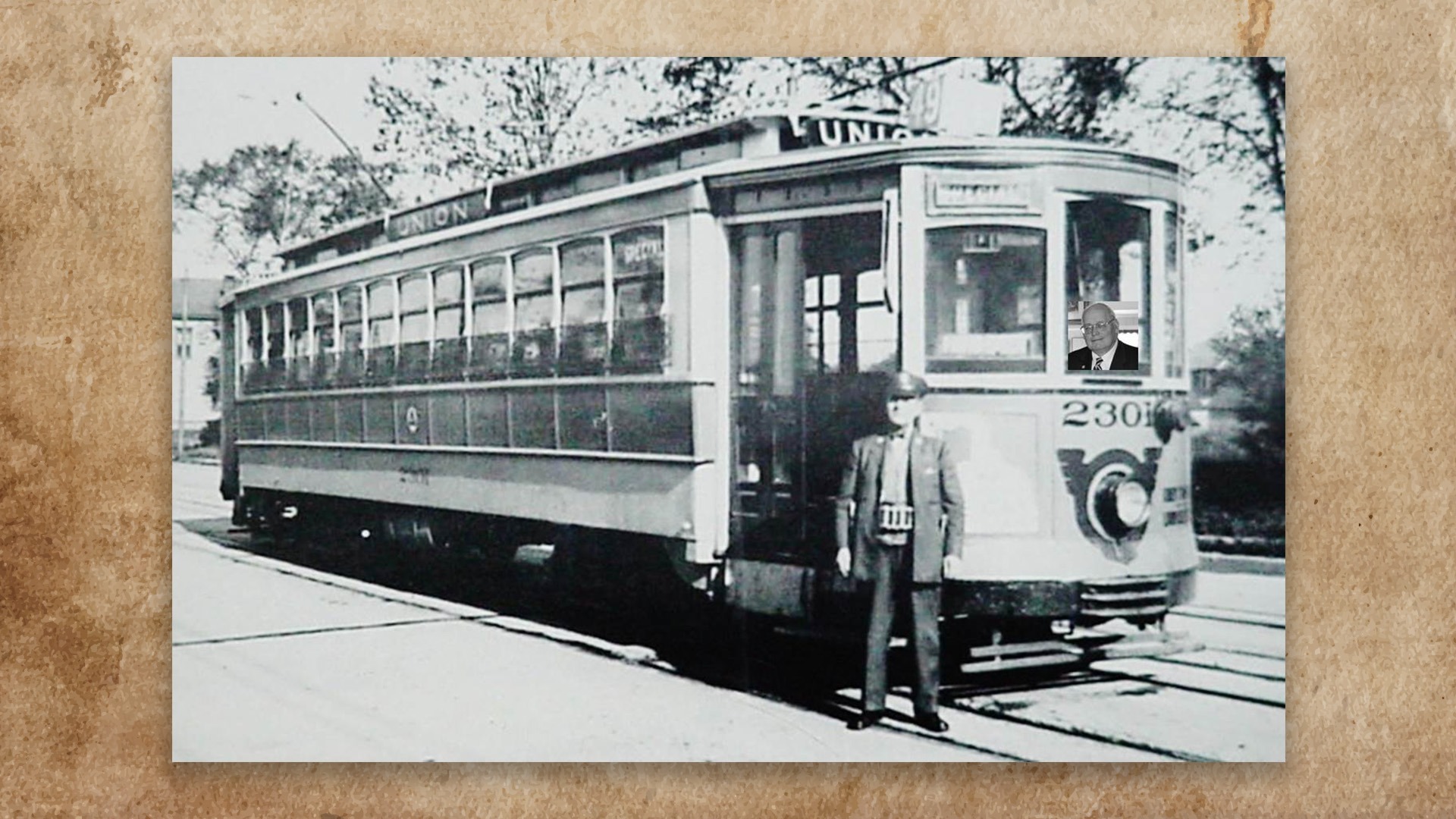
Student awards, upcoming UCHS meetings, and a deep dive into New Jersey’s historic trolley systems in Issue 143.
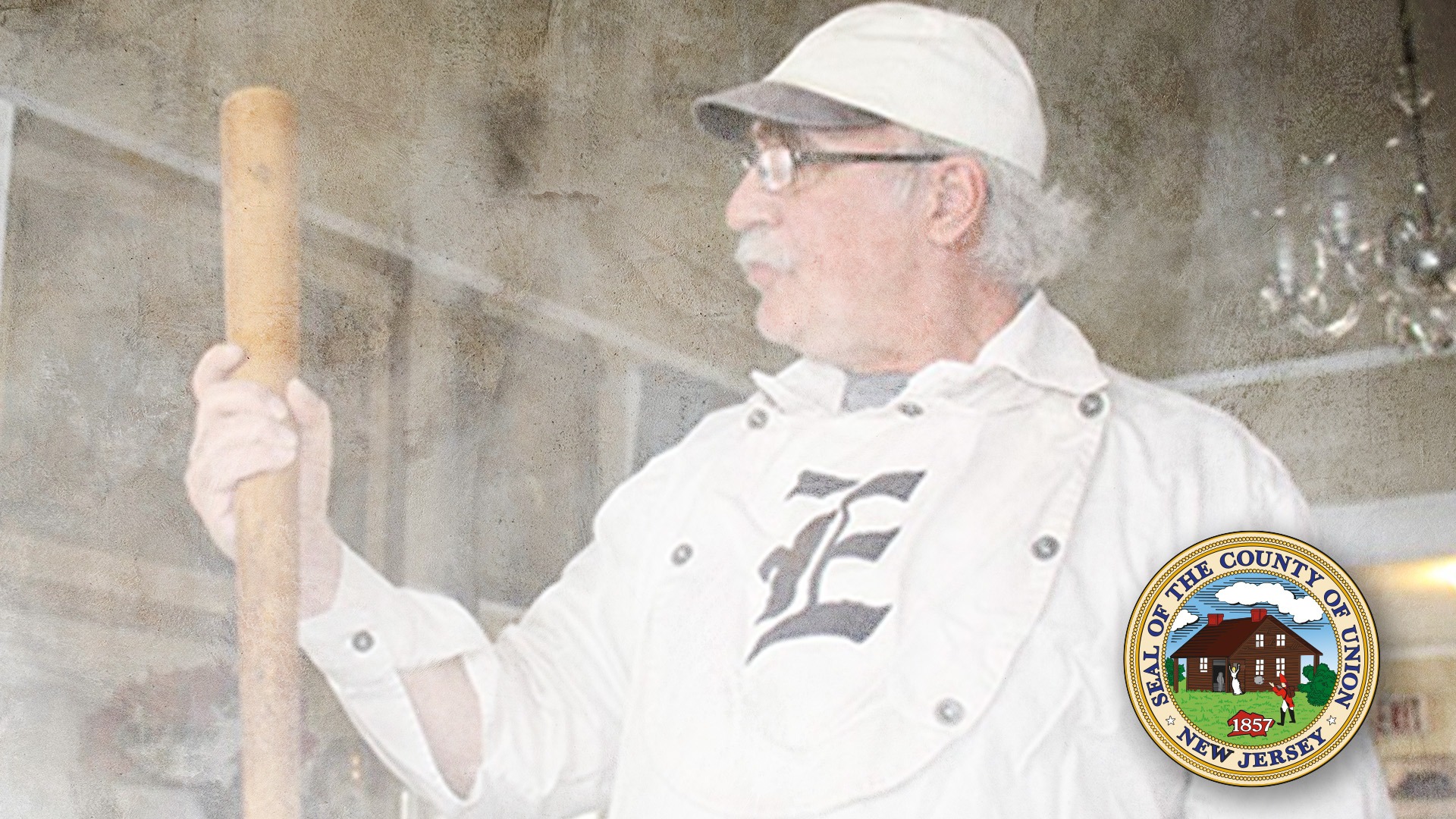
Annual dinner highlights, Taft program, student awards, Blizzard of 1888 memories, Roselle Park car smash, and vintage baseball insights.

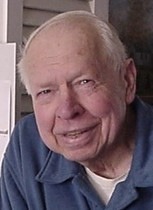 Our longtime friend and Society Treasurer, Bill Frolich, sadly passed away on September 30th 2021. He was 101 years old, a 45-year member of UCHS, and the writer/editor of our Newsletter. Bill and his extraordinary knowledge of Union County history will be greatly missed.