

313+ Ancestors Speak Project Dedicated at Historic Graveyard
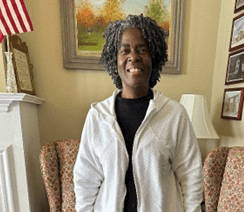
Dr. Wanda Lundy, Pastor of the Siloam-Hope First Presbyterian Church (formerly the First
Presbyterian Church) in Elizabeth, NJ, presented an inspiring and informative program on the
313+ Ancestors Speak Project during the Society’s October meeting.
“The project is designed to give voice to the lives of the 313+ enslaved and free African
Americans buried on the grounds of the church,” Dr. Lundy explained.
The $250,000 project, funded through grants and donations, includes a 21-foot granite
monument inscribed with the names of those buried there. Designed by sculptor Sterling
Brown, the monument was dedicated earlier this year.
Some individuals buried on the grounds could not be identified beyond a first or last name;
others remain unnamed. All are represented on the monument.
“We spent a great amount of time researching church burial records so we could reflect the
accuracy of the burials,” Dr. Lundy said.
During Dr. Lundy’s discussion of the restoration work completed at First Presbyterian Church,
it was noted that Society Vice President Charles Shallcross served on the Board of the
Old First Historic Trust in the early 2000s. His work contributed significantly to preserving
this important part of Elizabeth’s and New Jersey’s history.
Much of this effort was made possible through the generosity of the Snyder Foundation.
Dorothy Snyder, a member of the Cranford Presbyterian Church, witnessed the devastating
1947 fire that damaged the church and destroyed its steeple.
Thanks to the dedication of Trust member Marybeth Lapham, additional grants were
secured to restore the cemetery, refurbish what is now the Snyder Academy, and rebuild the
beautiful 212-foot steeple.
Ringing in the Holiday Season
Join us on Sunday, December 3rd at 2:00 p.m. for a festive holiday reception at the
Hanson House. Guests are invited to bring a favorite holiday dessert for sampling. The Society
will provide an assortment of sandwiches, cheeses, and fruits.
Best dessert wins a prize!
A Few Thoughts About Veterans’ Day
As remembered by Bill Frolich
Veterans’ Day, now observed on November 11, was originally known as Armistice Day,
commemorating the moment the guns of World War I fell silent—at the eleventh hour of the
eleventh day of the eleventh month in 1918.
The idea of honoring an Unknown Soldier also emerged after World War I. A casket was
selected in France and transported to the United States aboard the cruiser Olympia. The
soldier was laid to rest in Arlington, “known but to God.”
Sadly, the hope that World War I would be “the war to end all wars” dissolved just twenty-one
years later when Nazi Germany invaded Poland, launching World War II. Peace would not return
until six years after the conflict began.
Veterans’ Day now honors all those who have served in the defense of our nation.
The Tomb of the Unknown Soldier
On April 9, 1932, the completed Tomb of the Unknown Soldier was unveiled. The sarcophagus,
crafted of marble, features carvings of wreaths and neoclassical figures symbolizing Peace,
Victory, and Valor.
The memorial also holds the remains of unidentified servicemen from World War I, World War II,
and the Korean War. Throughout the day, a sentinel keeps watch, performing a ceremonial
routine involving 21 steps and 21-second pauses—symbolizing the 21-gun salute, the
highest military honor.
A Few Questions You Never Thought You Needed to Ask
Why is Thanksgiving celebrated on the fourth Thursday in November?
President George Washington proclaimed November 26, 1789, as a day of public thanksgiving.
Over time, the date shifted until President Abraham Lincoln formally set the last Thursday of
November as Thanksgiving in 1863.
During the Great Depression, President Franklin D. Roosevelt temporarily moved Thanksgiving
to the third Thursday to extend the holiday shopping season. Confusion followed, leading to
legislation in 1941 that officially established the fourth Thursday of November as
Thanksgiving—permanently.
Why does the President pardon a turkey?
Although President Kennedy publicly spared a turkey in 1963, the tradition is more closely tied
to President Lincoln, who pardoned a turkey at his son Tad’s request. The symbolic act
continues today as a lighthearted White House tradition.
Wishing all our members a joyful and safe holiday season!
Related Newsletters

Highlights from Union County’s March–April 2023 issue featuring Dr. Lurie, Dr. Rotunda, and the Marconi Wireless Building.
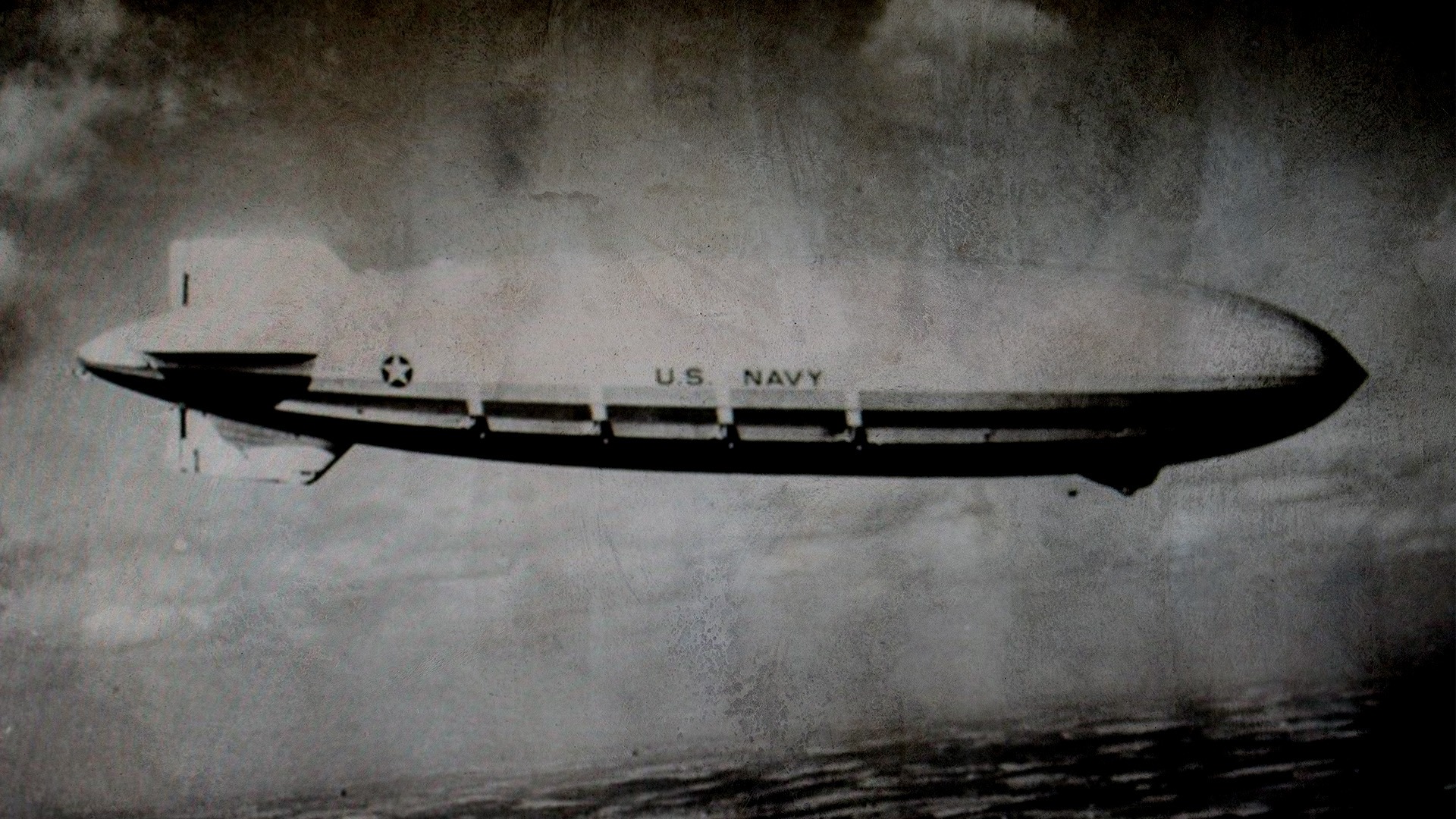
County seal history, Cover Girls holiday performance, and Bill Frolich’s memoir of the Morro Castle and Hindenburg tragedies.
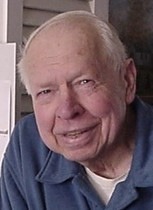 Our longtime friend and Society Treasurer, Bill Frolich, sadly passed away on September 30th 2021. He was 101 years old, a 45-year member of UCHS, and the writer/editor of our Newsletter. Bill and his extraordinary knowledge of Union County history will be greatly missed.