
Executive Board Meeting
The annual meeting of the Executive Board was held on August 20, 2017, and various matters were discussed, such as dates for the coming year of 2018, our annual dinner, and a slate of officers to be elected at the meeting in October. This slate will be announced at our September meeting.
Annual Picnic
September 10 is the date of our next meeting, and it will be our annual picnic meeting. Weather permitting, it will be held outdoor in the rear yard of the Hanson House, at 2 pm. This is a rain-or-shine affair, and will be held inside the house if it should become necessary.
As is customary, the hot dogs, rolls, hamburgers, and soda will be provided by the Society, and the members are asked to bring other picnic type food. They can also bring guests, if so desired. A very small amount of necessary business will be disposed of, but with as little inconvenience as possible at the meeting.
Display at Snyder Academy
Recently we were invited to have a table at Snyder Academy’s program on July 7 that was held in honor of Alexander Hamilton, who spent a few years of his early life in Elizabethtown. We accepted the offer, and Charles Shallcross, our president, gathered several items from our files and archives and set up a display at the program on Friday, in the former Parish Hall of the First Presbyterian Church on Broad Street in Elizabeth.
This display featured the sort of activities that our society does throughout the year. A large panel was set up bearing photographs and a copy of the latest newsletter, while a few extra copies were on hand as giveaways. Also on hand were some copies of our historical book publications available for sale to any interested buyer.
As an added attraction we had a few small pamphlets about the early days of what became Union County and its twenty-one communities. The program was an all-day affair, and we thank our president for his hours-long work at the Academy and for publicizing the Society.
October 12, 1492
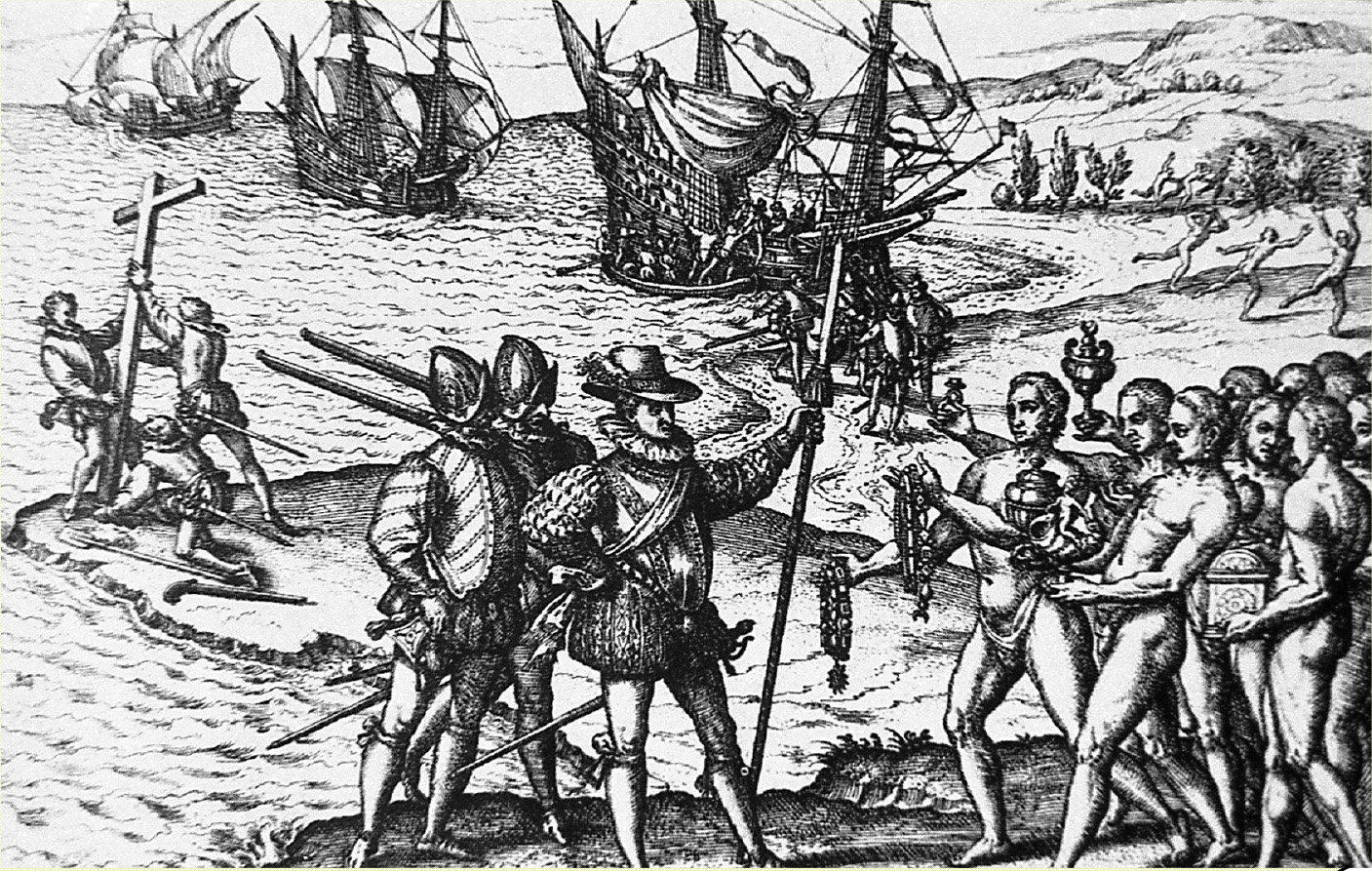
There was a time, many years ago, when every boy and girl knew the meaning of that date shown above. It was a holiday and a day off from school. It did not matter that the celebrated event had happened nearly five hundred years ago; it marked the day when Christopher Columbus thought that he had reached the eastern shores of India by sailing west and therefore called the people he found as Indians, a name that endured for many years.
It was some time before he realized his error and that an entire land mass existed between the western shores of Europe and the eastern shores of India, but he did help prove that the world was round and that a mariner would not fall off the edge of the ocean if he sailed too far.
Today, five hundred twenty-five years later, we still mark his discovery, but not always on that date of October 12th. The powers that be have declared that we shall mark that event on a Monday close to the 12th, and thus create a three-day weekend holiday.
Trivia Quiz
For whom was Elizabeth, New Jersey named? Which President visited Elizabeth to help celebrate the 100th anniversary of Washington’s first inaugural journey? Which five communities became incorporated towns of Union County during the 20th century? What famous poet and author is buried in Evergreen Cemetery? Which church contains the first incandescently lighted electric chandelier? Which Elizabeth-born admiral provided naval support for General MacArthur’s landing on Luzon in the Philippines? What best-selling author and actor created the character “Mike Hammer”? Where did Union County College have its beginning? Where in Union County was the first submarine for the United States Navy built? Which Union County resident gave the Dimock mansion to the City of Elizabeth to be used only for education?
Answers
Elizabeth, New Jersey was named for Elizabeth Carteret, wife of Sir George Carteret, one of the Proprietors of the colony of New Jersey. President Benjamin Harrison arrived by train from Washington to Elizabeth to act as George Washington in 1879 on his inaugural journey to New York City. Roselle Park was incorporated in 1901, Garwood in 1903, Kenilworth in 1907, Hillside in 1913, and Winfield in 1941.
Stephen Crane, best known as the author of “The Red Badge of Courage,” is buried in Evergreen Cemetery. The First Presbyterian Church of Roselle still contains and uses the first electric chandelier installed in any church in the world; although damaged by fire in 1949, it was restored and rehung in 1964.
Admiral William Halsey, nicknamed “Bull,” was born in a house later known as “Polly’s Elizabeth Inn.” He attended Pingry School in Elizabeth, and as Admiral his flagship was the battleship USS New Jersey. Mickey Spillane created “Mike Hammer” and also acted that character in motion pictures; as a youth he lived in Elizabeth and attended its public schools.
Union County Junior College was first housed in 1935 in Abraham Clark High School in Roselle, with faculty and students using the building after 3 PM each day. The Navy’s first submarine, “Holland VI” (SS1), was built in the Crescent Shipyards at the East Jersey Street shore of Elizabeth on the Staten Island Sound. Joseph Battin gave the Dimock mansion to the City of Elizabeth for educational use; it became Battin High School, with reversion to heirs if not used for education.
Pictures From Our Files
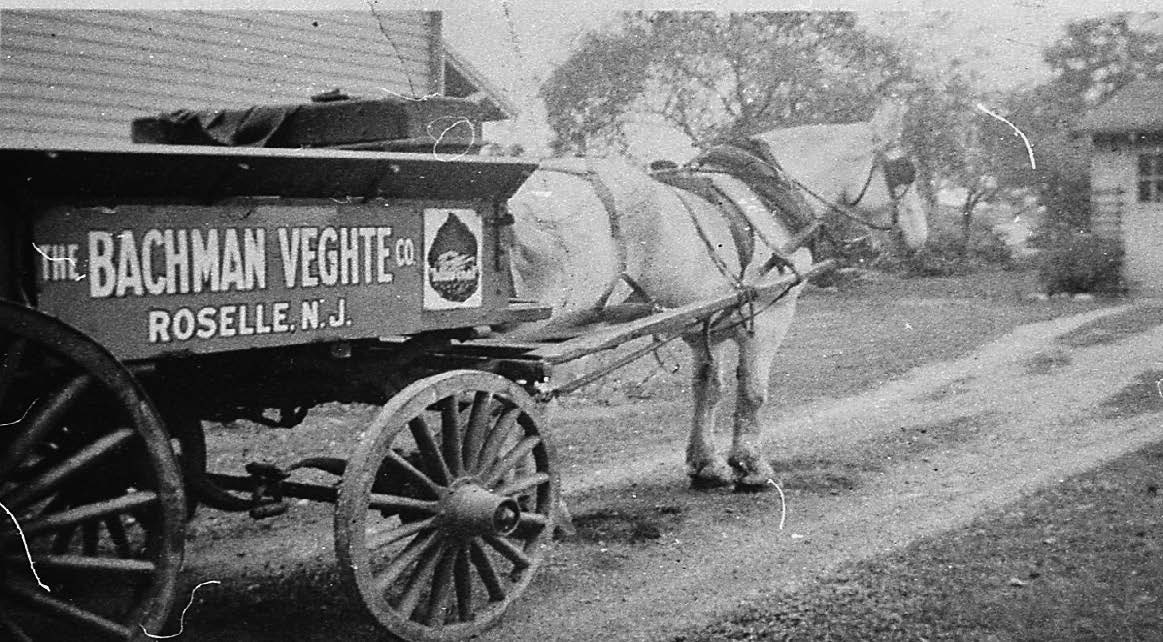
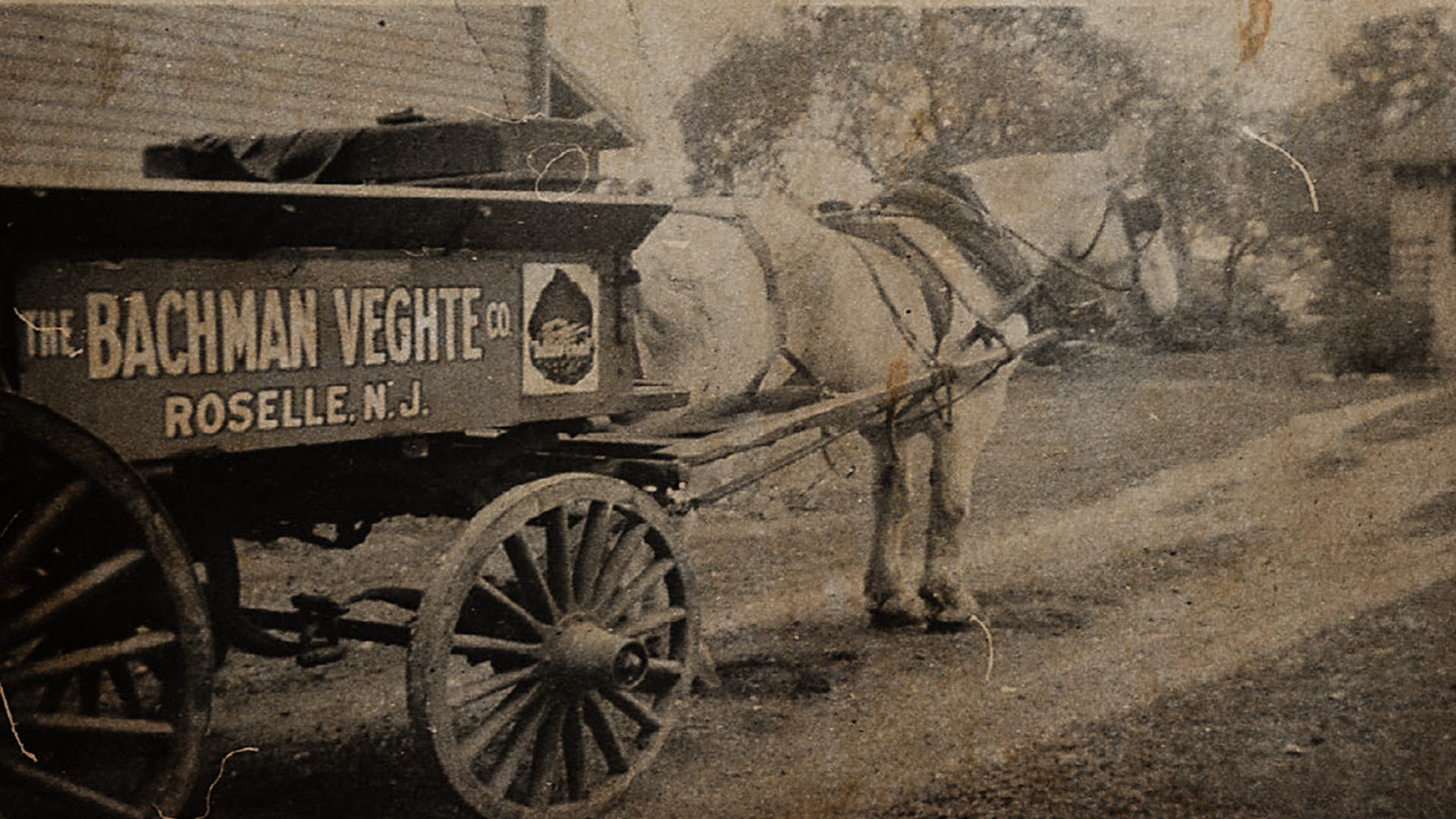
Oh, for the good old days, when everyone had a coal-fired furnace in the cellar! They also had a couple of coal bins down there where the coal was stored until it was fed into the furnace in the winter to provide the heat for the above floors of the house.
When the supply of coal in the bins was running low, it was time to call the dealer and order a new amount of coal, perhaps a couple of tons of it, or more. For many years this new supply of coal was delivered by a horse-drawn wagon, with the coal loaded into strong bags of about a half-bushel each.
If the wagon could be drawn up close to the house, a strong metal chute would be set up by the wagon and aimed into an open window of the cellar by the empty bin. The delivery-man then climbed onto the wagon and emptied each bag of coal into the chute, from where it slid into the bin.
If the wagon could not be drawn up to the house, the man had to carry each bag to the chute from the wagon parked in the street, and there were many bags. Pouring coal this way can be a dusty operation, and on some occasions it was necessary to lightly spray the coal with water to keep down the dust.
Over The Back Fence
Alan Zimmerman wants to know if a cantaloupe can’t elope, what can elope? The answer is obvious: a pear.
Related Newsletters
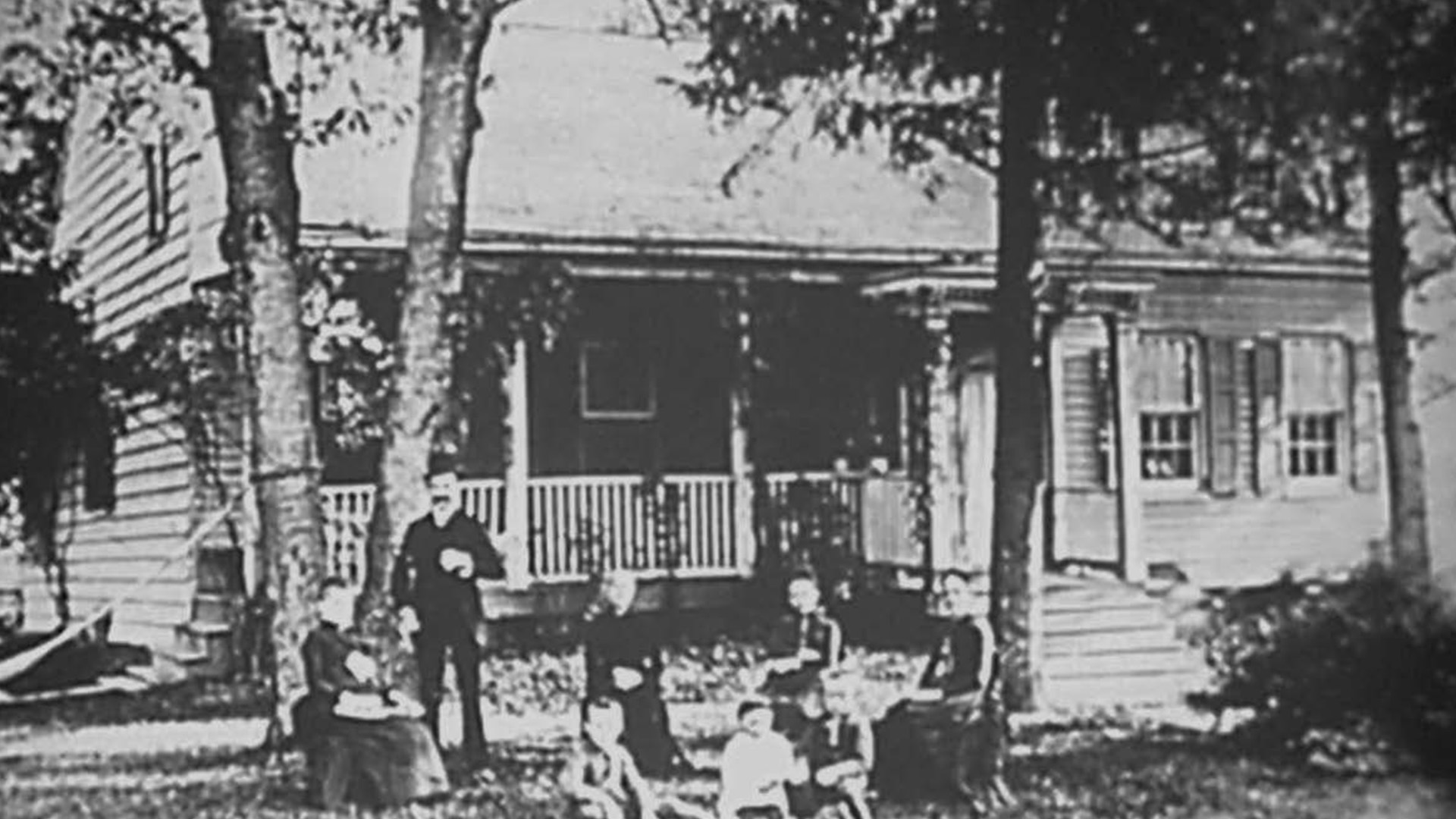
Civil War women’s history, WWI-era music, a ceremonial trowel artifact, and the story of Abraham Clark’s homestead.
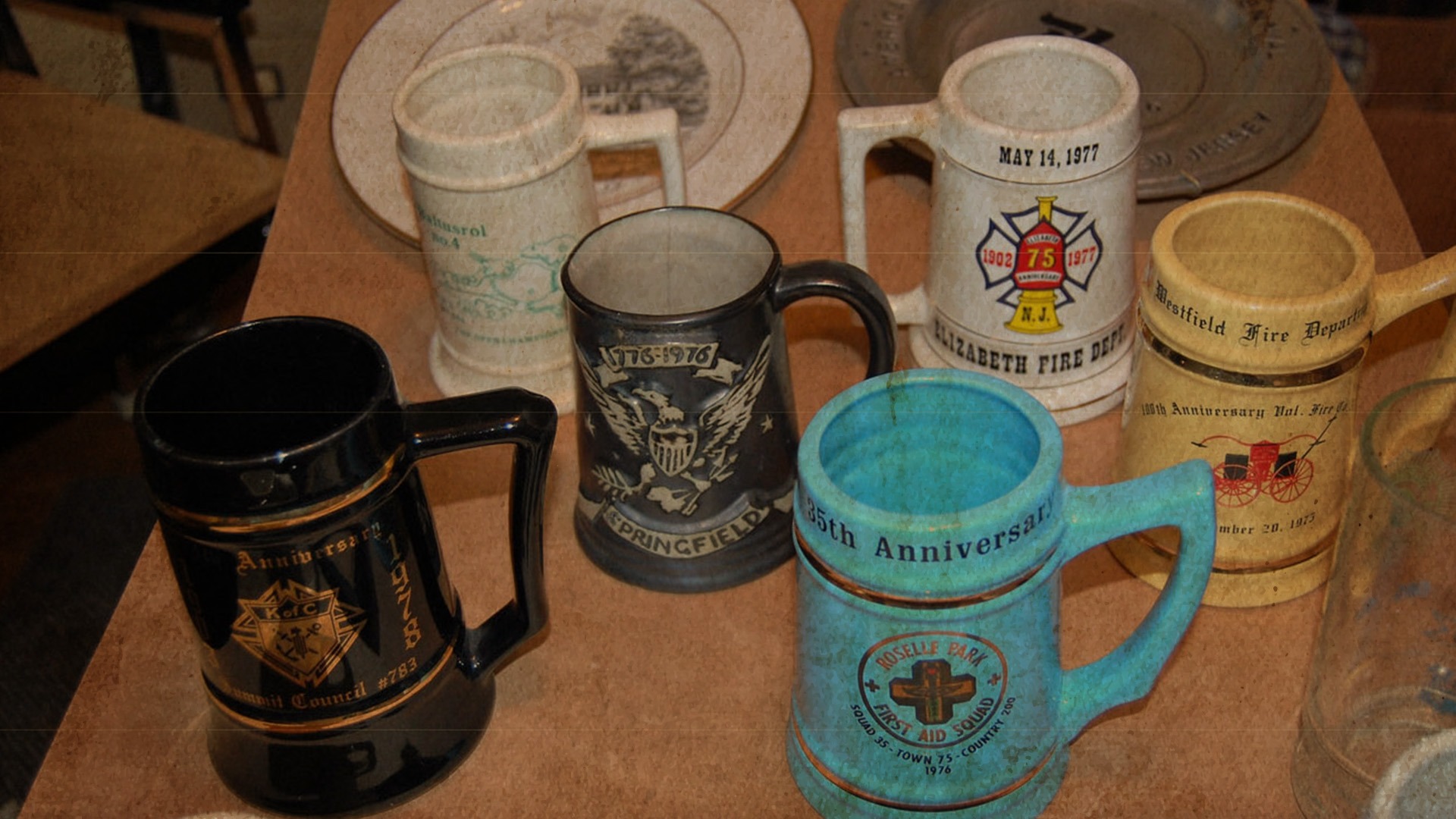
WWI centennial reflections, Hanson House snow issues, a dinner meeting, Bicentennial memorabilia, and the move of the Hetfield House.



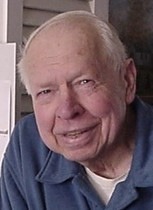 Our longtime friend and Society Treasurer, Bill Frolich, sadly passed away on September 30th 2021. He was 101 years old, a 45-year member of UCHS, and the writer/editor of our Newsletter. Bill and his extraordinary knowledge of Union County history will be greatly missed.