
Introduction
There has been almost no activity of the Society during the past few months, so we will try to jog your memory with some old and possibly forgotten items of interest.
Did You Know?
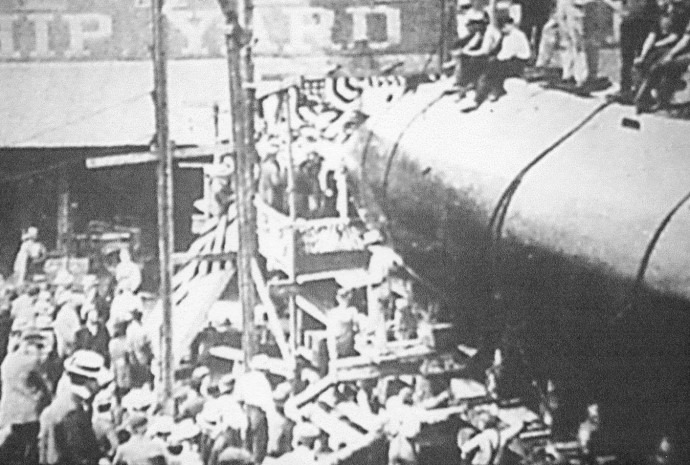
Did you know that the head of navigation of the Elizabeth River was at Broad Street, until the New Jersey Turnpike was built in 1951?
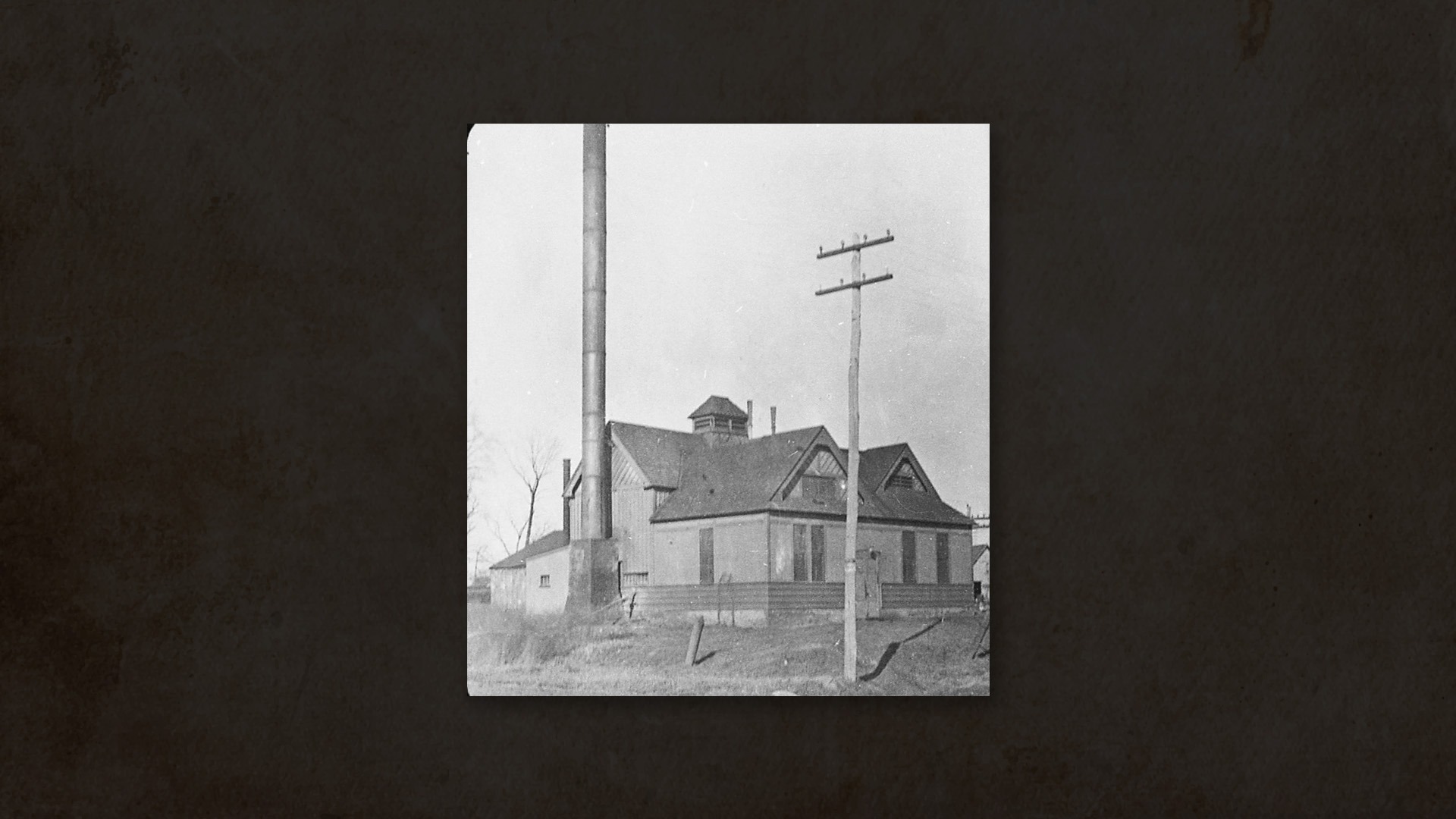
Or that the universal use of electricity was the ultimate result of Edison’s experiment to successfully light the village of Roselle?
Did you know that Kean University used to be corn fields and cow pasture?
Or that Elizabeth High School now occupies the site of Peter Breidt’s Brewery?
Shipwrecks and Rescues
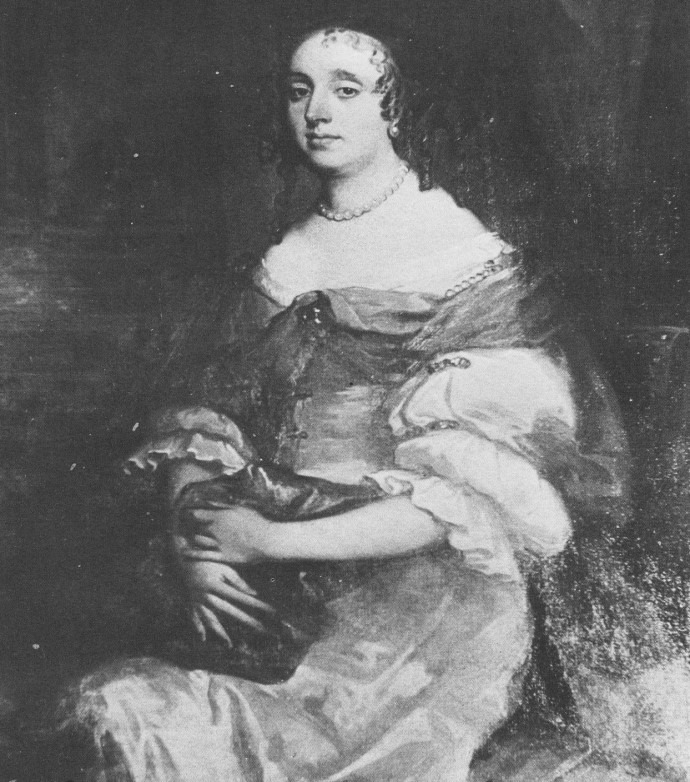
Do you know what a Lyle gun is, and for what it is used? Ever hear of a breeches buoy? Both are related to shipwrecks. A Lyle gun is a small, brass, muzzle-loading cannon that shoots a projectile from shore to over the wrecked ship. It carries a light line that is used by the ship’s crew to pull a heavier pulley line system with a pants-like buoy used to bring people ashore.
Local Memories
Does anyone remember the doughnut man who used to make and sell freshly made doughnuts from his converted bus bakery on Morris Ave? The tantalizing odor of his product permeated the entire neighborhood.
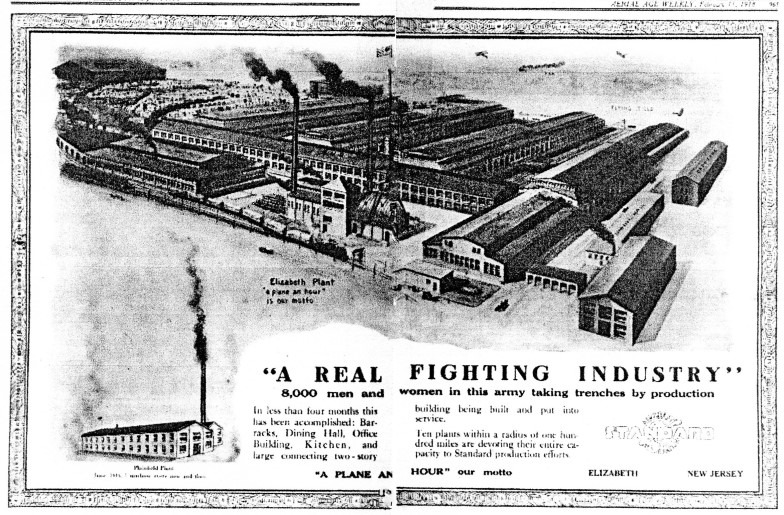
A Real Fighting Industry
Pictures From Our Files: The Trolley
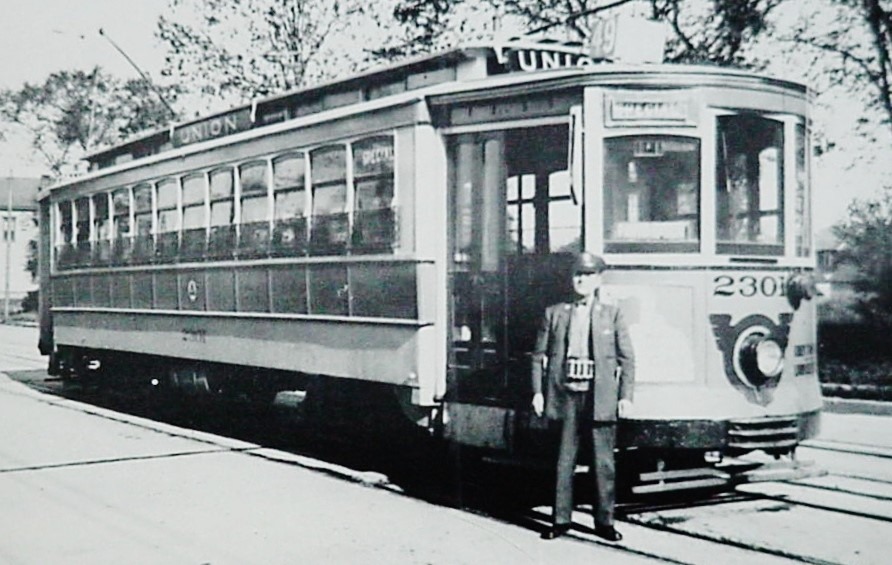
This vehicle was an electrically powered car that drew its power from overhead wires by means of a long spring-loaded pole with a small grooved wheel known as a trolley at its tip. Passing through the car’s motor, the circuit was completed by the steel wheels on the metal rails embedded in the street.
These cars were the same at both ends, with controls, poles, and doors, which made it unnecessary to turn the car around at the end of its route. The motorman simply pulled down the pole, using the attached rope, and raised the other pole and guided the little wheel onto the overhead wire.
This street railway system came into being about 1900, and was a real improvement over the old horse cars that it replaced. The cars were bigger and faster and could carry many more passengers, and also travelled from town to town. Their routes were set with fare limits, usually of five cents, paid as you entered, but if you went from one limit to another it cost another nickel when you got off.
The building of this railway system caused a few changes here and there in the towns through which it passed. In Roselle the turns from Third to Second Avenues caused wide adjustments to be made with some of the corners of the intersection. Second Avenue had to be widened by taking twenty feet from the property on its south side, and moving the Jouet House out from its original location in the middle of East Second Avenue.
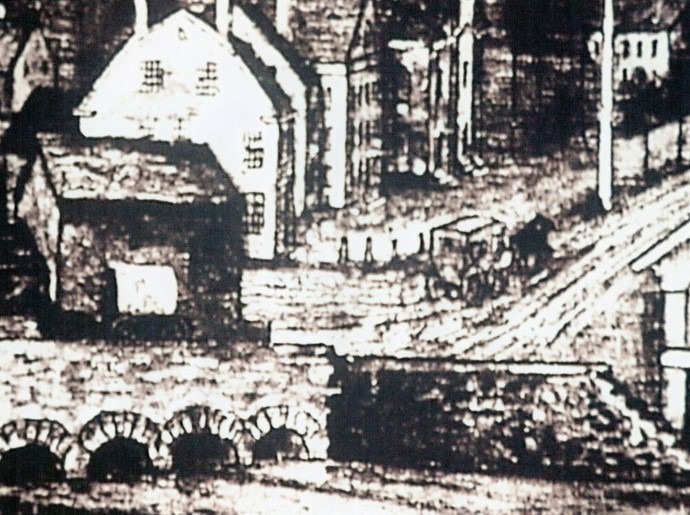
This whole trolley system disappeared about 1936 when it was replaced with buses. A few years later most of the steel rails were torn out of the streets and sent to the steel mills to be made into tanks and guns for World War II. All this made it possible for the roads to be smoothly repaved.
Roller Skating
How many of us remember roller skating in the good old days? Back then we had four wheeled, clamp-on adjustable (one size fits all) metal skates good for use on sidewalks or hard paved streets. A little-used street made a hockey rink, until a car appeared or a neighbor complained about the noise.
By the late 1930s indoor skating regained its one-time popularity and we had roller rinks in several places in our area. In Roselle a former car sales room became known as “Twin Borough”, a little small but quite popular. On Route 22 in Union, “Hy-Way Arena” was soon built on the north side of the road, next to the remains of that mysterious cave in the Hummocks.
About this same time both the Twin City and Dreamland rinks appeared, next door to each other on Newark Road at the Elizabeth/Newark city line. Both were large, popular skating arenas. Metal wheels were not used on the maple floors of these rinks, nor were the old clamp-on skates. Wooden or hard plastic wheels were used as they would not damage the floor. If you didn’t have your own, shoe skates could be rented at the skate window, but most skaters brought their skates with them.
Skating ended at eleven o’clock in the evening, and you knew it was time to go home when the organ played “Good Night, Ladies”.
Over The Back Fence
The way things are these days when you go to buy Legos you can stand in line for blocks.
Related Newsletters
Holiday memories, winter sports, ghost stories, and the era of the Model T come together in this nostalgic Union County newsletter.
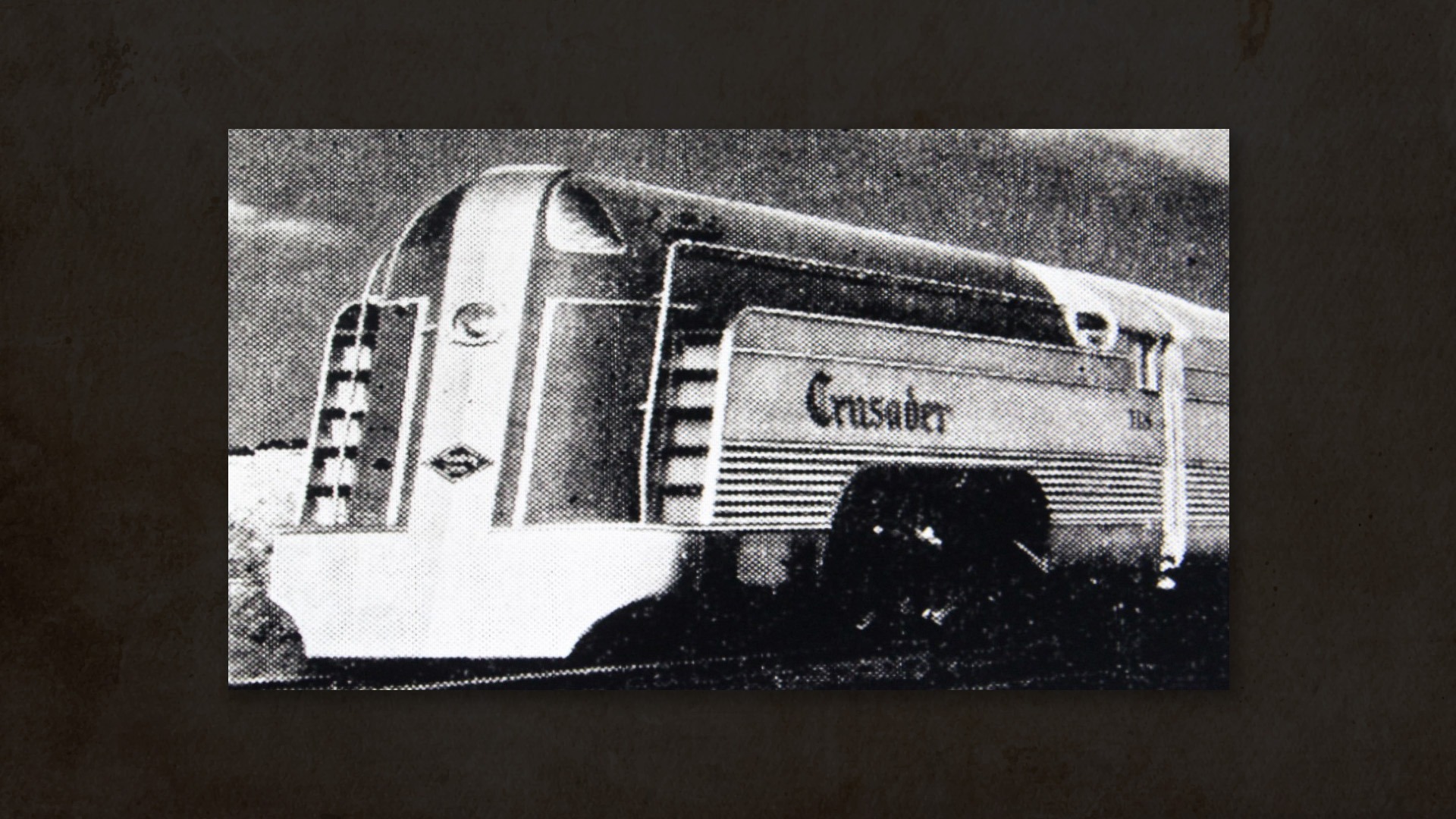
A look at Union County’s early roads, town names, historic mills, and classic railroad service during a quiet summer for UCHS.

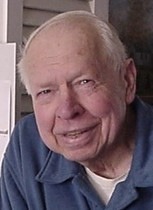 Our longtime friend and Society Treasurer, Bill Frolich, sadly passed away on September 30th 2021. He was 101 years old, a 45-year member of UCHS, and the writer/editor of our Newsletter. Bill and his extraordinary knowledge of Union County history will be greatly missed.