
Meeting of December 11
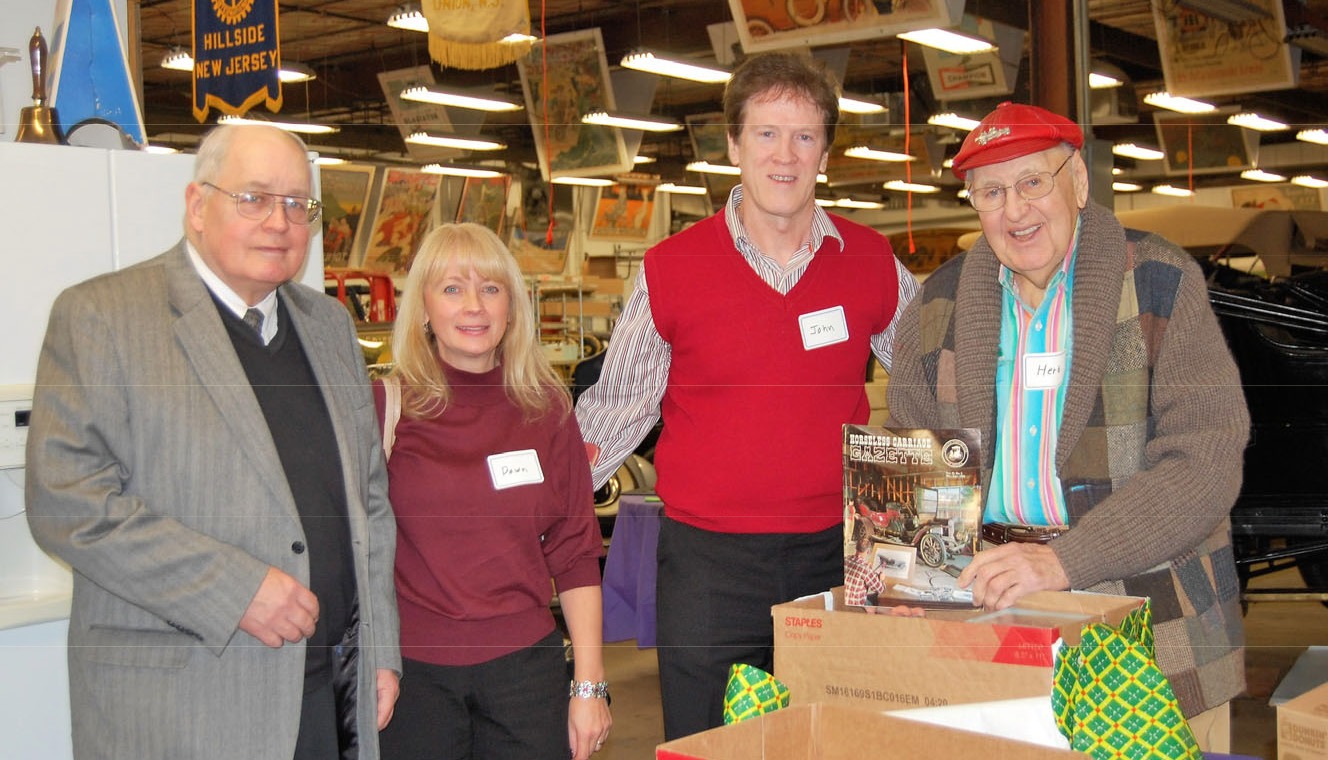
This meeting was held, by invitation, in Herb Singe’s amazing Museum of Antiques where we had the opportunity to gaze at the many items of years gone by. During the afternoon Herb Singe was presented with a large collection of magazines depicting early automobiles, some with detailed drawings of engines and other parts of these cars.
As this was our Holiday meeting, what little business we had was quickly concluded and then it was party time. Music was occasionally provided by a Wurlitzer Band Organ from a merry-go-round, whose sound filled the room reviving days of long ago at amusement parks.
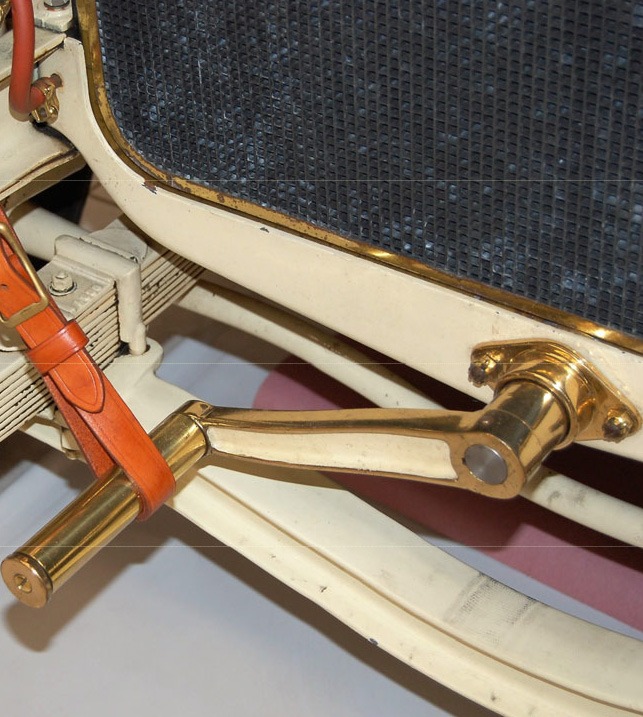
The antique automobiles also brought back memories of motoring in the good old days to some of us who had been there. There was the crank once used to start the engine before the invention of the starting motor, hanging below the radiator, whose cap contained the thermometer easily seen by the driver that warned him of an over-heating engine.
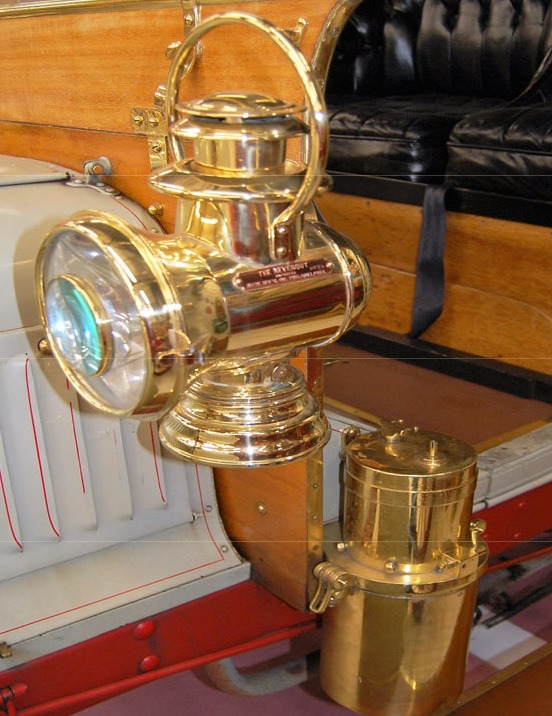
The operation of Prest-o-lite gas-fired headlights had to be explained to some who had never heard of such an item. Young drivers who had never driven in the good old days questioned the need to carry two spare tires, and had the joys of repairing tires with inner tubes and mounted on split rims explained to them.
It was possible, using a pair of tire irons, a lot of work and a few well-chosen words, to pry open a split rim, but a special three-clawed tool with a crank made the job simple, if you had one. After locating the puncture in the inner tube and roughing the surface, rubber cement was smeared around the area and allowed to dry before applying the specially coated patch. Then put it all back together and re-inflate the tire, using the hand pump that everybody carried in his tool kit.
Re-mount the tire on the wheel, secure it with the rim and its six lugs, and you were off again, until the next time. A badly torn inner tube, however, still had other uses. Using a pair of tin snips, it could be cut into sheet rubber, or large rubber bands. If held on one end by a spring clothes pin and stretched over the other end of a piece of wood, these bands became ammunition for “cops and robbers.”
Pictures From Our Files
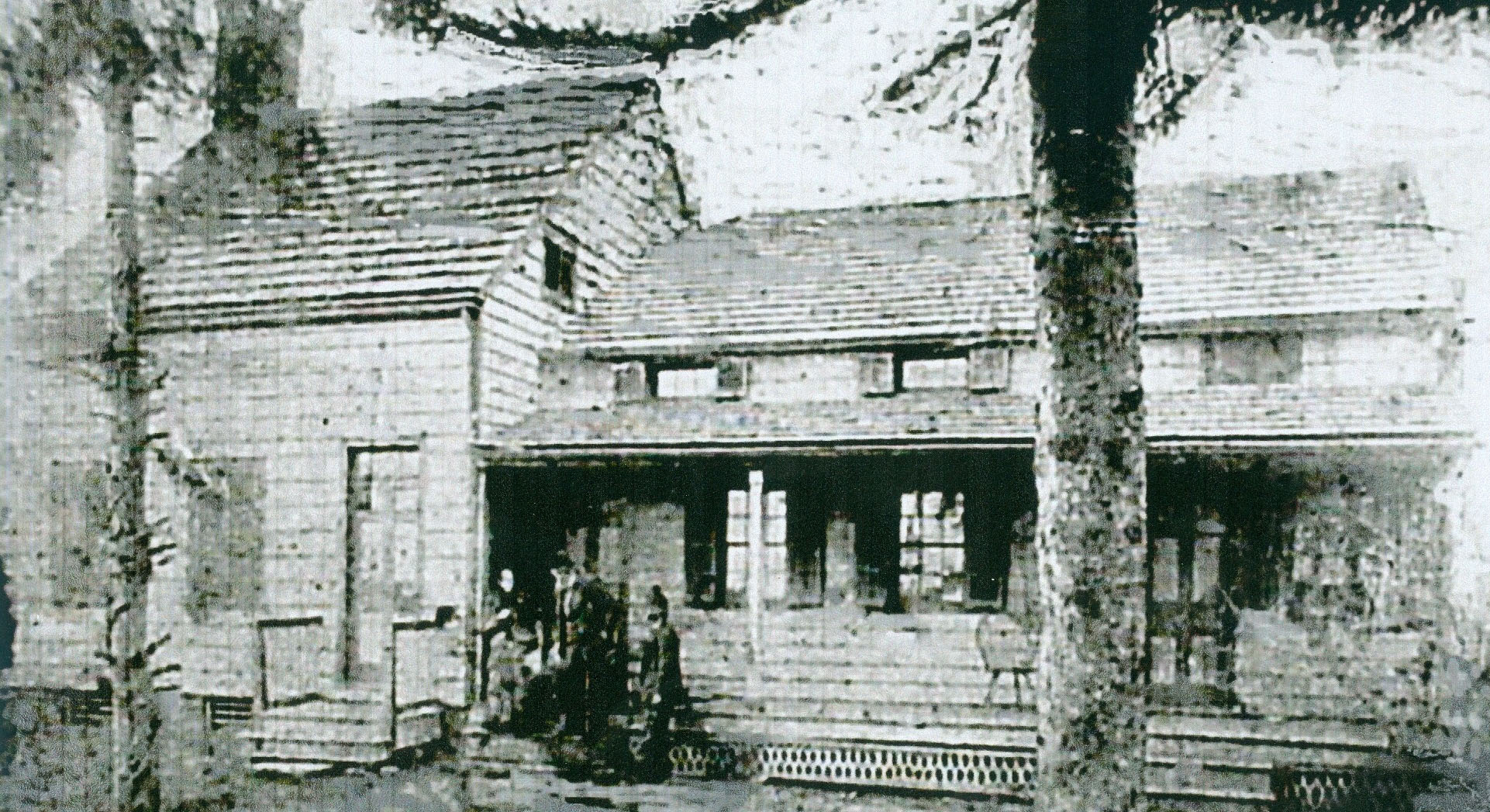
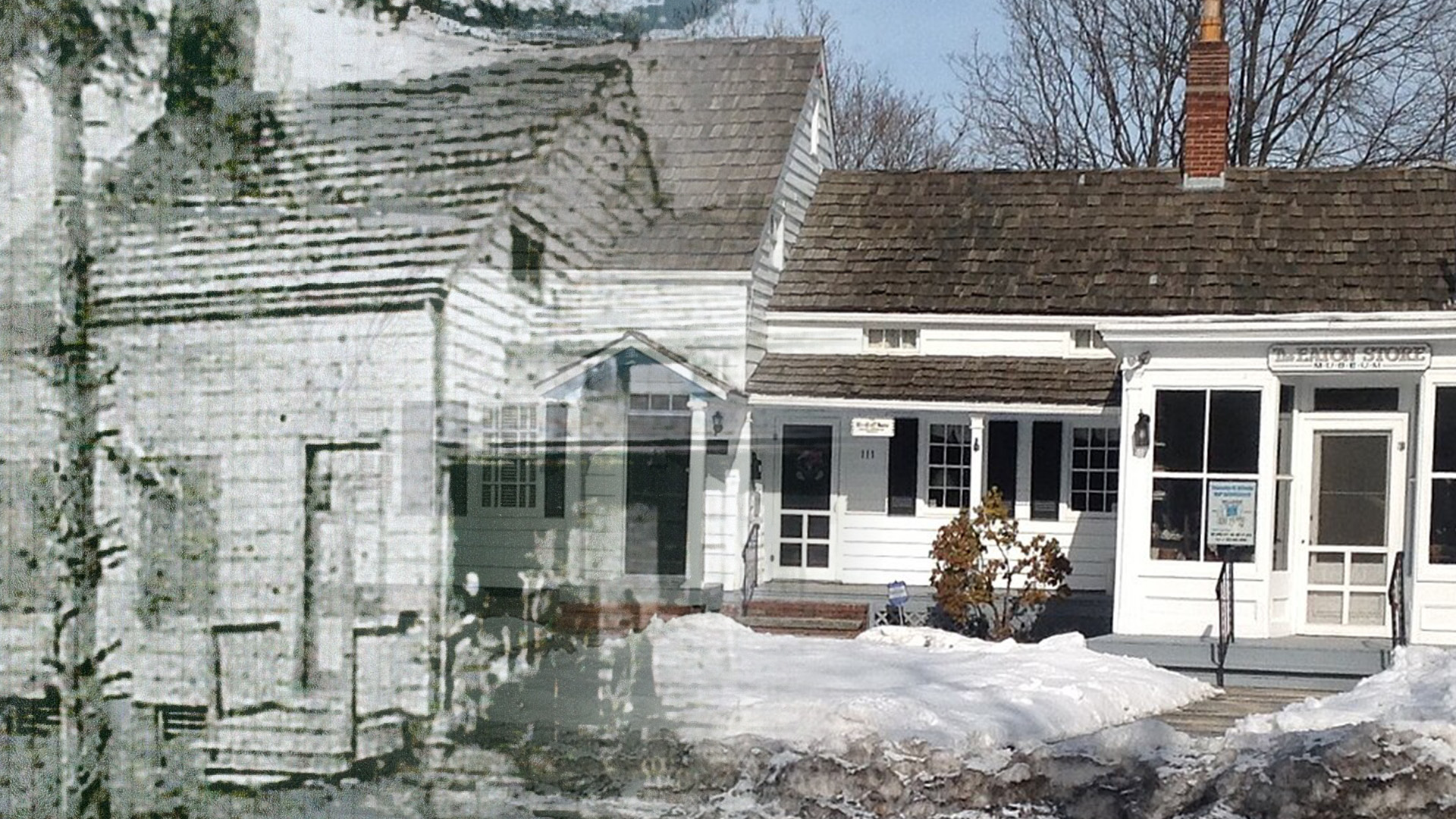
Shown above is the old Woodruff House on Conant Street in Hillside, New Jersey, as it appeared in the 1880s. The original portion was built in 1735, with additions made in later years, including a store-front in 1900. The house was the centerpiece of the Woodruff family farm that once covered several acres of the surrounding land, with an apple orchard, and even a cider mill.
The farm produced the usual assortment of chicken, eggs, pigs, vegetables, and corn, as well as hay for its team of horses. So much was produced that the store was added to sell off the surplus stock to the growing neighborhood.
The house still stands today on Conant Street just a short distance from Salem Avenue, with a modest change from this picture with its store front and a small roof supported by two columns at the front door of the house. Inside, the house has some unusual features by today’s standards, such as very wide floor boards protected by years of extra floor-coverings.
One fireplace still retains the swiveling crane from which pots and kettles were hung for cooking. A replaced section of wood flooring suggests that maybe another fireplace hearthstone was removed during the building of an addition. In the attic, still connected to the chimney, is a smoke-house, once used to smoke and preserve fish and meat for future use.
On the second floor, just below the slanting roof, are “eye-brow” windows, which admit light to that area. Such windows are a distinctive sign of Early American architecture for modest housing.
Dues For The New Year
Well, it’s that time of the year again when we start to think about the coming new year and what to do about it. This of course includes our annual dues, and a new slip is enclosed for your use, as well as an addressed envelope for your convenience. The dues remain the same as they have been for several years, and the Society thanks you for your continued support.
Next Meeting Date
The next meeting date for the Society will be March 5, at 2 o’clock at the Hanson House. The Executive Board will meet, as usual, at 1:30. The Society used to meet on the first Sunday in February, but the heavy snow and icy weather of that month in recent years has caused us to move that meeting to March, although there is no guarantee that we will have better weather then. The Blizzard of ’88 was March 12. We hope to see you there.
October Meeting
The October meeting was held as scheduled on the 2nd of that month in the Hanson House, with the main business being the election of officers for the coming new year. The current officers were retained, and the several classes of the Board of Trustees were moved up a year.
The program for the day was presented by our member John Mazurkuiecz, who came up from Howell to tell us more about his research into the history of the hospitals in Elizabeth. He has done extensive work into that history, and now some of that work is featured in the main lobby of Trinitas Hospital.
Over the Back Fence
In recent months one of our members has moved from one home to another; from New Jersey to New York State, to Florida and then back to upstate New Jersey. Where will the next move be?
Bill Frolich wants to know what fun there is in having a driverless car if you don’t drive it yourself. Are you sure it stays parked if you are not using it?
Related Newsletters

Singer factory history, a Hanson House picnic recap, and a wild 1960 Whalemobile memory from Roselle Park.
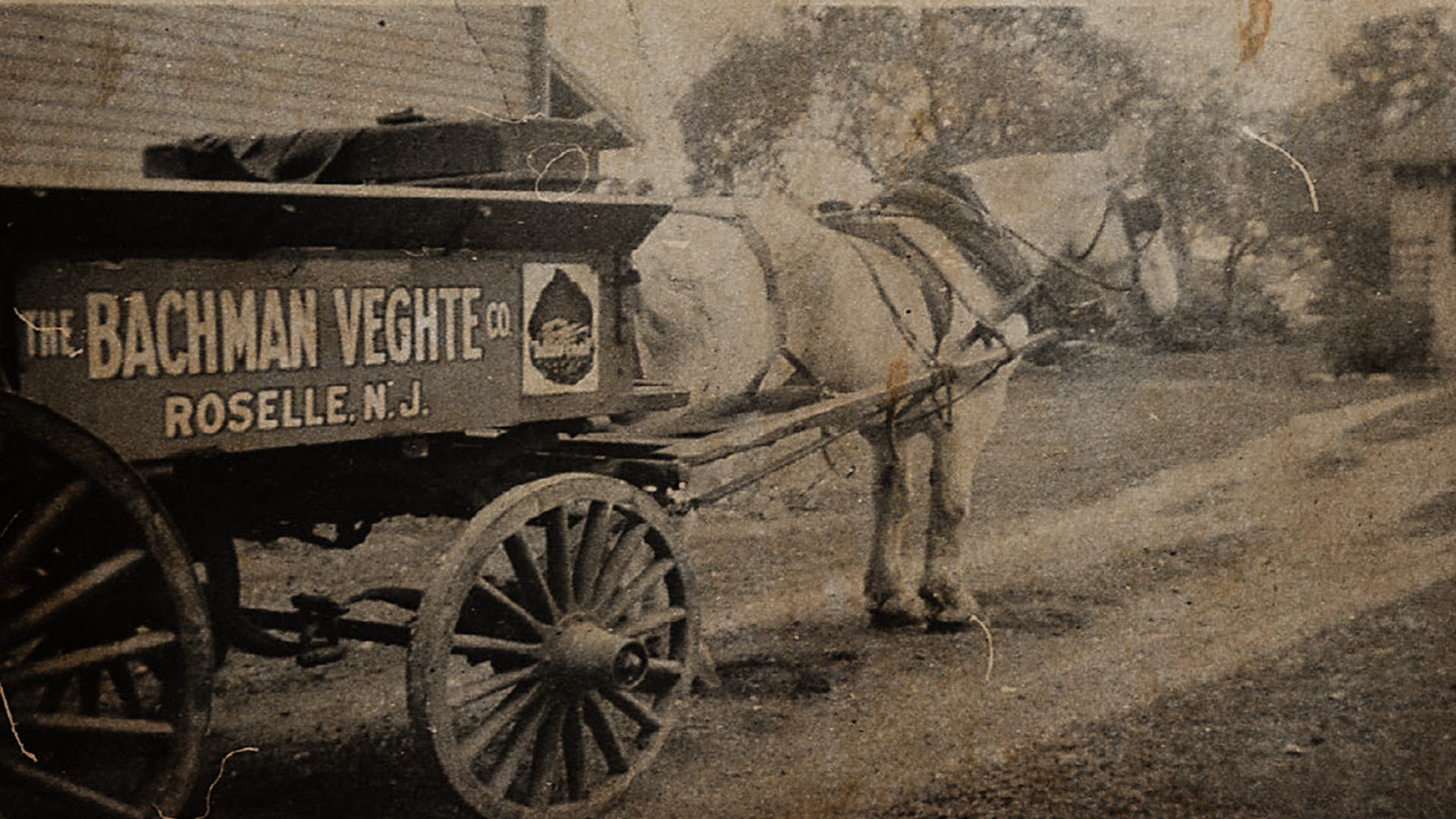
Snyder Academy outreach, Columbus Day reflections, a Union County trivia quiz with answers, and a look back at coal wagon deliveries.





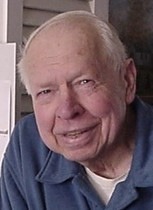 Our longtime friend and Society Treasurer, Bill Frolich, sadly passed away on September 30th 2021. He was 101 years old, a 45-year member of UCHS, and the writer/editor of our Newsletter. Bill and his extraordinary knowledge of Union County history will be greatly missed.