
Union County Historical Society Newsletter – November–December 2016, Number 133
Annual Picnic
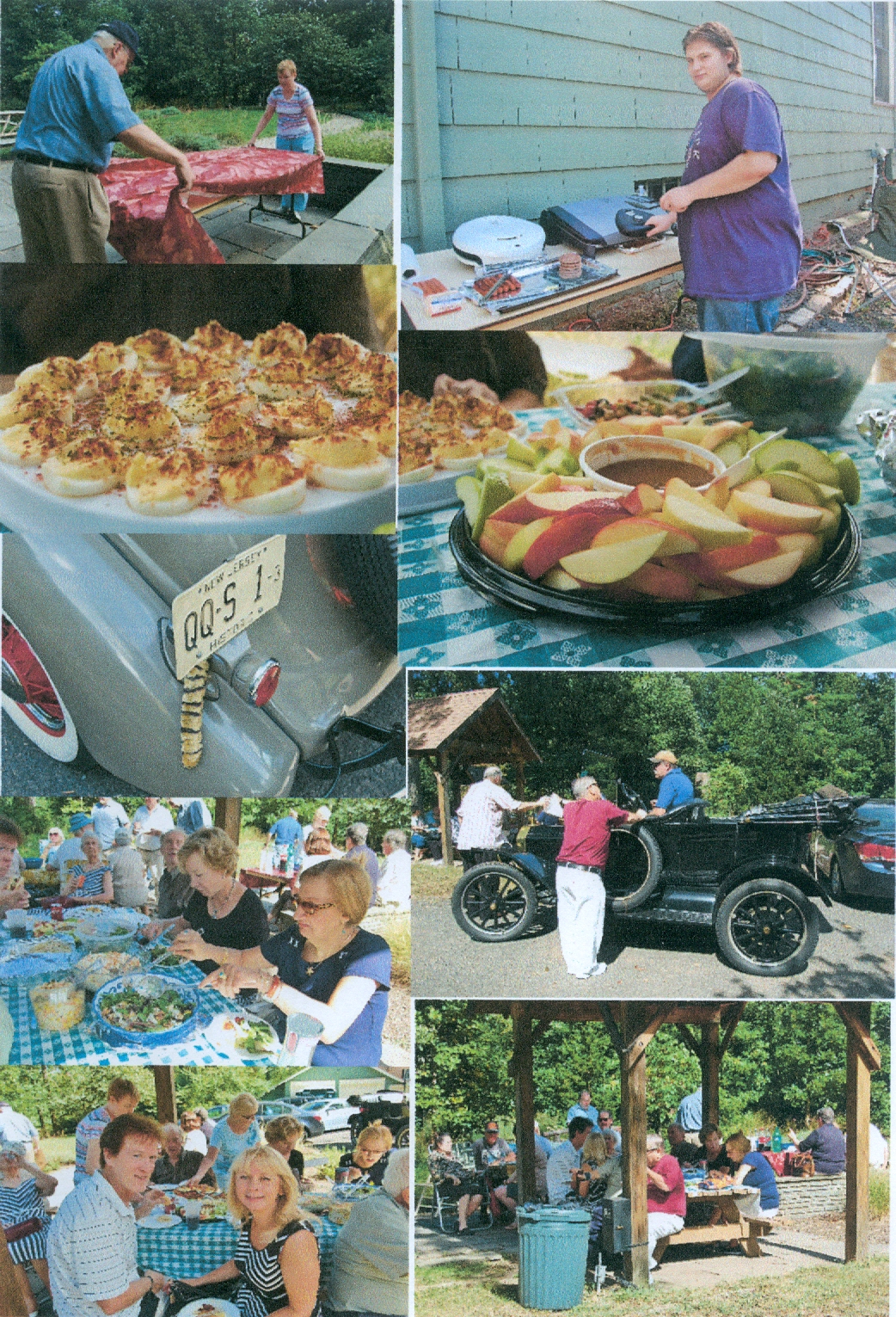
As scheduled, our annual picnic was held September 11, 2016, in the rear yard of the Hanson House. About thirty or more guests and members attended and were treated to an enjoyable time, and even the weather cooperated with a bright, sunny day. There was plenty of food on hand and Steve Yeats was our chef, cooking hamburgers and hot dogs.

A feature of the afternoon was the presence of antique cars from the Herb Singe Museum. Charles Shallcross handled the small amount of business by introducing a slate of officers’ names for the annual election in October, and also presented a certificate of life membership to Tom Beisler. He conducted a quiz program of actual test questions asked of immigrants applying for citizenship, and most of us passed.
Our thanks to those who brought food, and to the set-up and clean-up volunteers. There was no trace of a picnic left on the grounds after we left for the day.
Missing Sounds
In this day and age we are no longer hearing the sounds which used to be quite familiar to us. They have been replaced by the roar of jet engines overhead and the sound of heavy automobile traffic in the streets. Gone are all of those early morning sounds of the milkman’s horse and wagon and the clink of his bottles as he exchanged empty ones for full ones on the porches of our houses. No longer heard are the cries of the junkman as he traveled through the streets asking for scrap metal or old rags, for which he might pay a few cents.
When was last heard the distinctive horn of the chain-driven Mack truck, or the fancy “aooga” horn of a few bragging automobile drivers? Gone also is the sound of the steam locomotive in the night as it began to move a train of freight cars from the Elizabethport yards as the engineer cautiously advanced his throttle. A bit too much and the slow “chug” became a rapid series of “chugs” as the drive wheels lost traction on the rails and spun uselessly, and after closing the throttle the engineer tried again and again until the train was finally rolling along smoothly toward its westward destination.
The trolley car has also vanished from the scene, with its quiet “hiss” of the trolley pole as it glided along the overhead electric wires from where it drew its power, and the “clang, clang” of its bell as the annoyed motorman tried to clear an obstructing vehicle from his path along the steel rails embedded in the street. Radio has ended the whistle-blowing form of communication between ships plying the waters of the Arthur Kill as they moved into berths or headed out to sea, and instead pilots simply explain by radio their intended movements to other ships and to dockworkers on the piers.
Pictures From Our Files
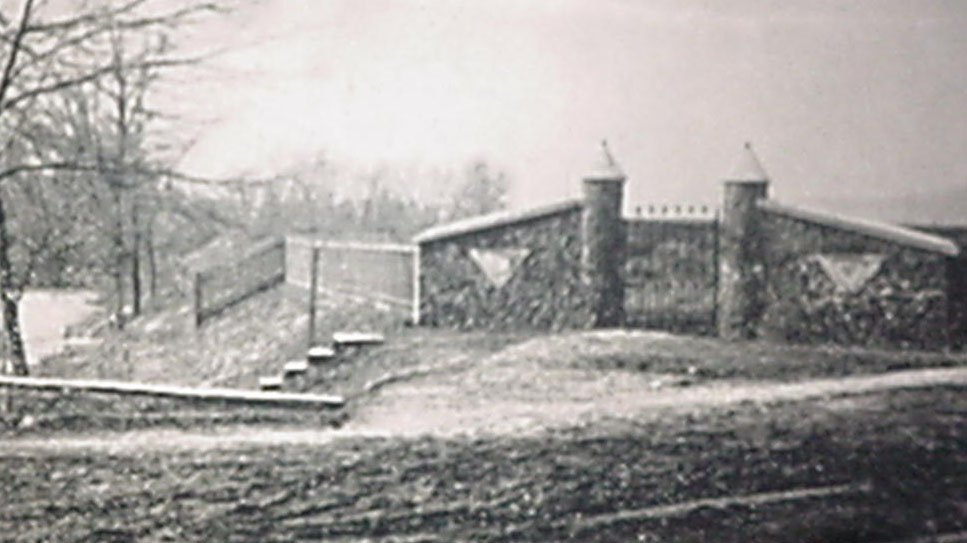
Here is a scene familiar to many students of old School #10 in Elizabeth: the entrance gate to the Irvington Avenue Reservoir. Back in the good old days, water from the nearby Elizabeth River was stored here after having been treated at the upstream Ursino Lake filtration and pumping station. From there an underground pipe fed the water into the reservoir and then into the distribution system.
Small fish lived in the reservoir, tempting the skills of trespassing fishermen. By 1929, the river water had become contaminated and no longer drinkable, and shortly afterward the reservoir was drained and lay idle for years. While it was empty, the high embankment and the deep hole created a good ramp for sleds and skis when it was covered with the snows of several winters, attracting children from the neighborhood for hours of winter fun.
Several years later, luxury apartments known as Pierce Manor were built in the empty reservoir bed, with garages in the basement floor. All went well for a few years, but then a severe summer storm caused flooding in many areas. Upstream, Ursino Lake overflowed, and the forgotten underground pipe carried that water into the former Irvington Avenue Reservoir, filling it to a depth of about four feet. Many cars in the garages were badly damaged by the flooding water, and that underground pipe was soon plugged up.
Next Meeting Date
Our next meeting date is scheduled for December 11, 2016, starting at 2 PM. This will be our holiday party and will be held in Herb Singe’s amazing Antique Museum. Herb has brought some of his old automobiles to our picnics, but he has many more in his museum, all in mint condition. Don’t miss a chance to see them, as well as other items.
We regret to announce that the Society has lost another long-time member, with the death of Mrs. Barbara Bogard, widow of Edward, Jr., on October 9, 2016. Born on October 5, 1924, she was 92 years old.
Over the Back Fence
Our newsletter has received compliments on doing a great job from Dr. Walter Boright, a long-time member. Thank you, Walter. Our fame is spreading and the Society has just acquired a new member who lives in Florida. We welcome all persons who are interested in history.
Frequently Asked Questions
What happened at the UCHS annual picnic on September 11, 2016?
Members and guests gathered at the Hanson House for food, fellowship, brief business, and a quiz program, with Steve Yeats cooking and antique cars on display.
What is the Irvington Avenue Reservoir and why is it historically notable?
It once stored treated Elizabeth River water, later sat drained for years, became a winter sledding spot, and eventually the site of apartments—before a flood revealed an old underground pipe.
What does “Missing Sounds” describe in Issue 133?
It reflects on everyday sounds that disappeared over time, from milk wagons and trolleys to steam locomotives and ship whistles replaced by modern traffic and radio.
Related Newsletters
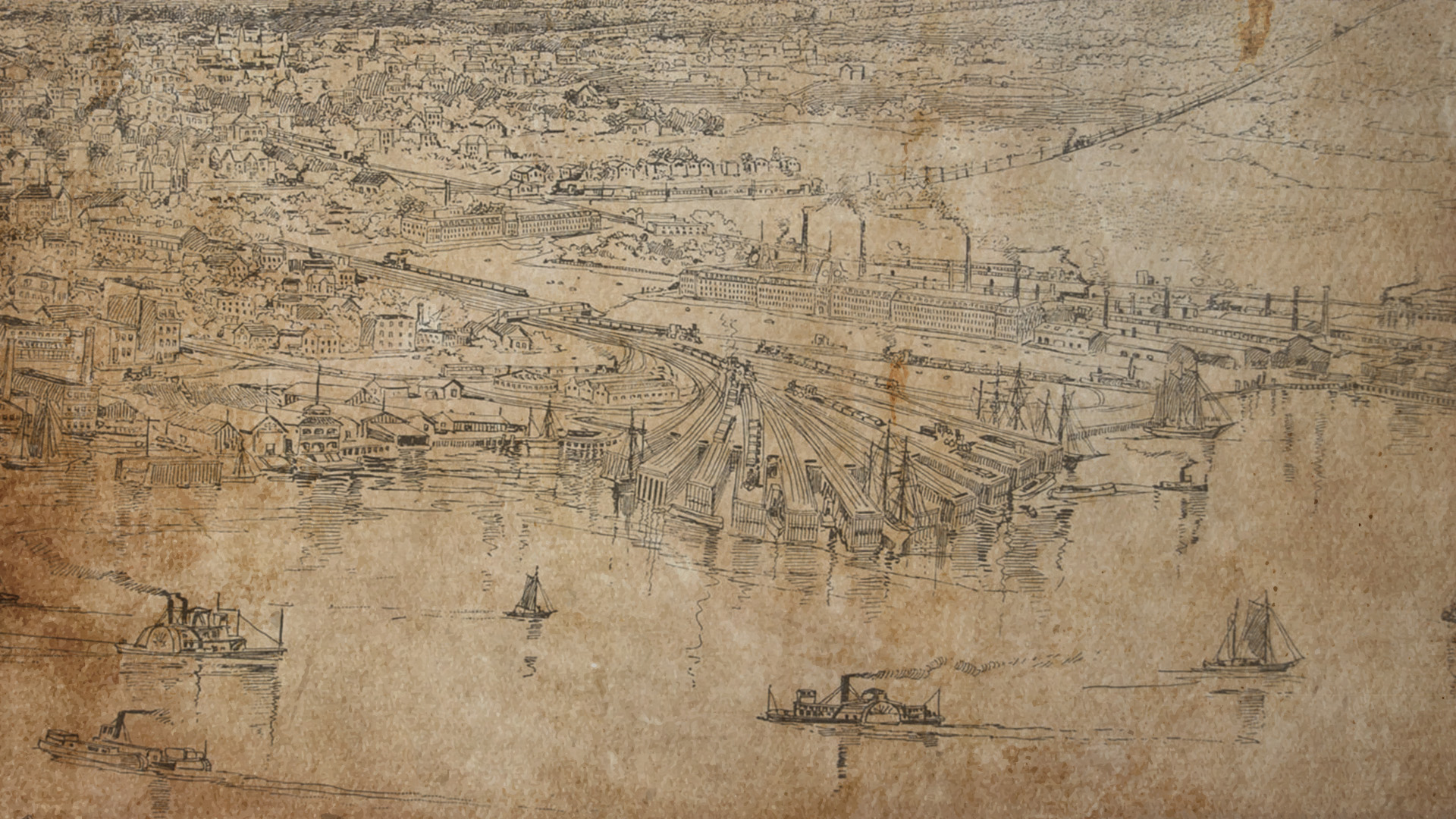
Issue 132 highlights rare newspaper treasures, Elizabeth’s pioneering submarine, Revolutionary-era history, and an 1880 bird’s-eye view of the waterfront.
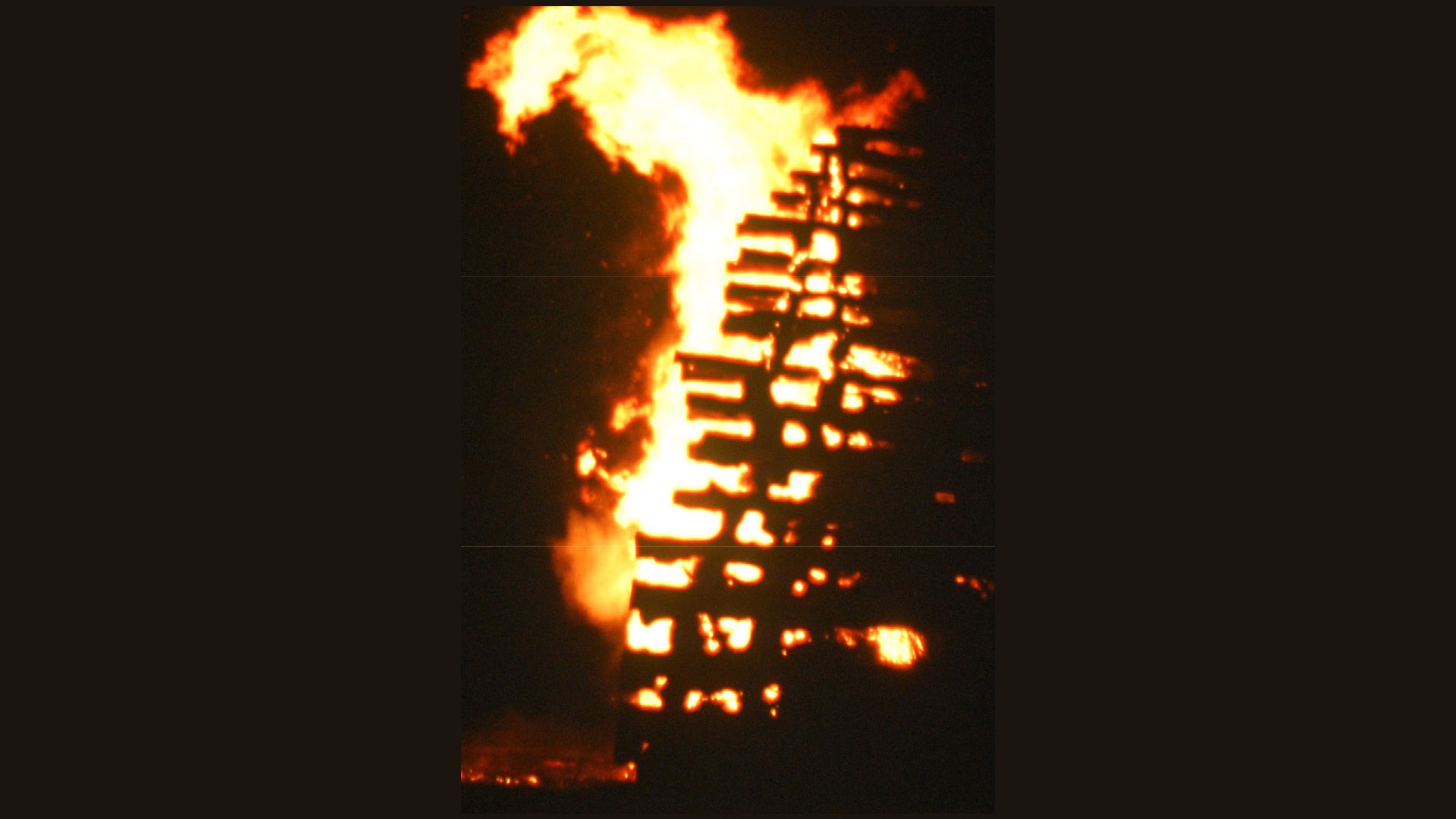
Issue 131 features UCHS student awards, a Snyder Academy preservation talk, and a Bicentennial log-beacon reenactment tied to the Battle of Springfield.

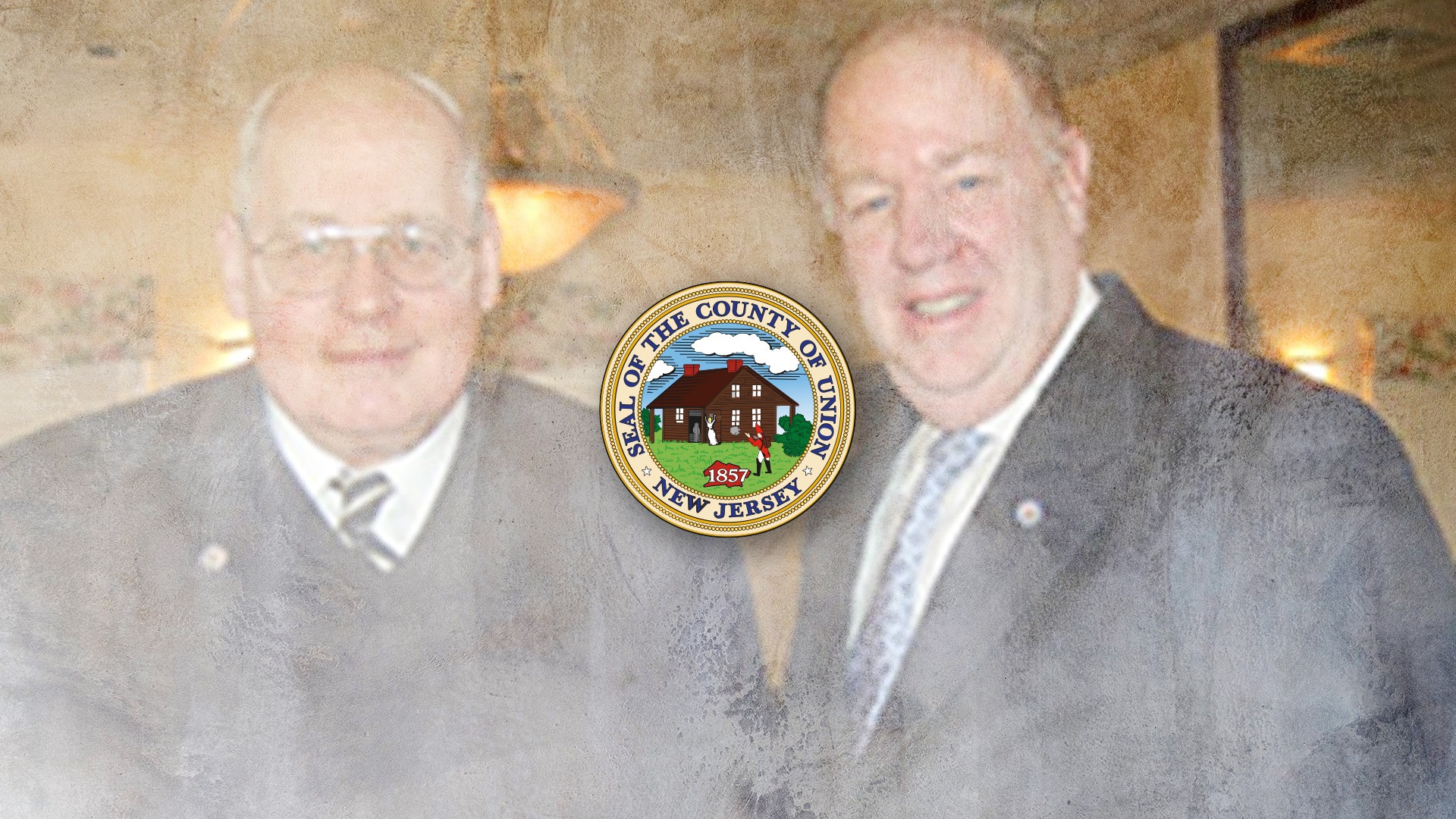
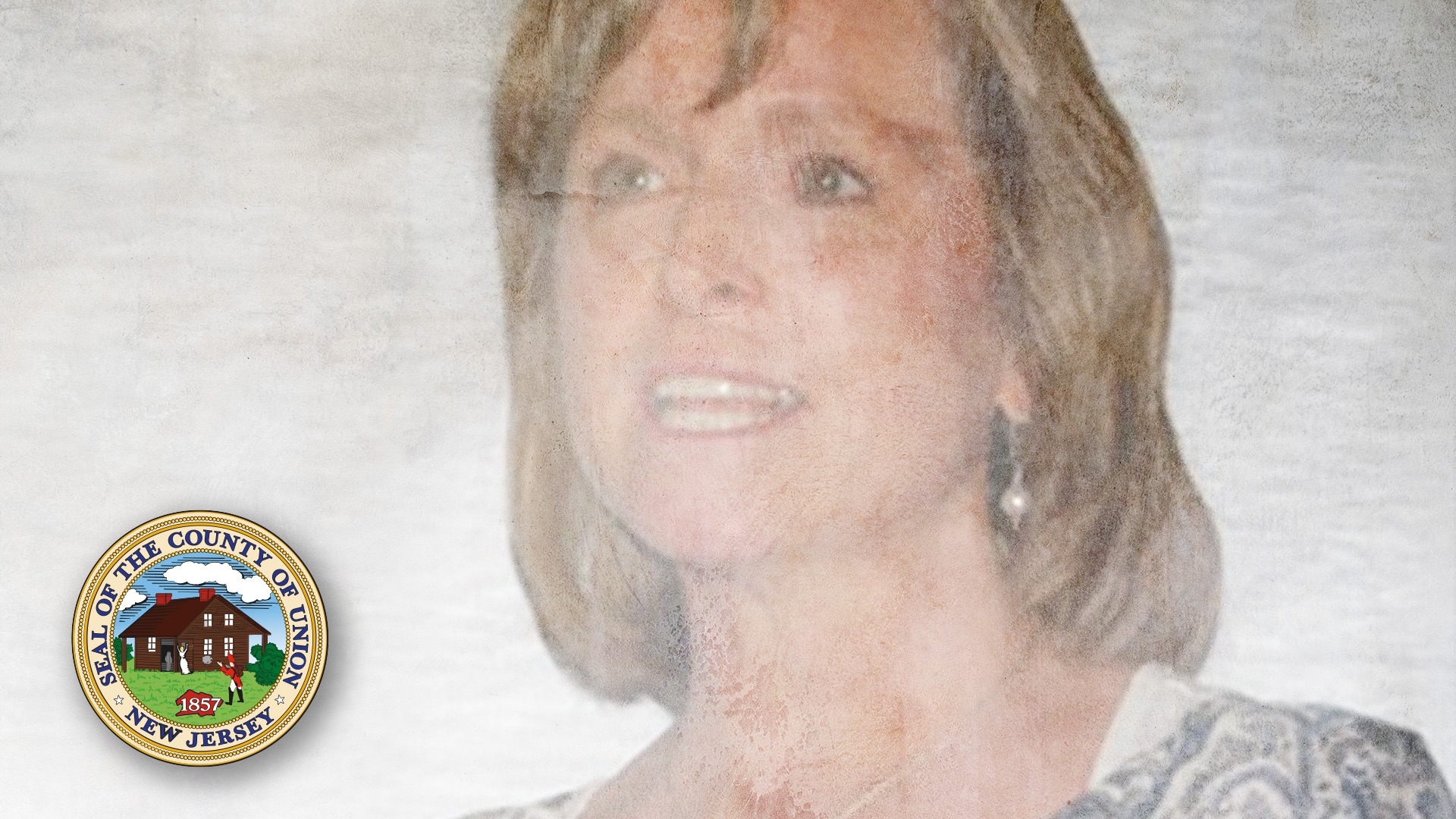



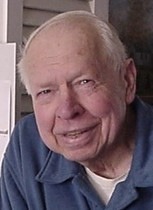 Our longtime friend and Society Treasurer, Bill Frolich, sadly passed away on September 30th 2021. He was 101 years old, a 45-year member of UCHS, and the writer/editor of our Newsletter. Bill and his extraordinary knowledge of Union County history will be greatly missed.