
Union County Historical Society Newsletter – July–August 2016, Number 131
May Meeting
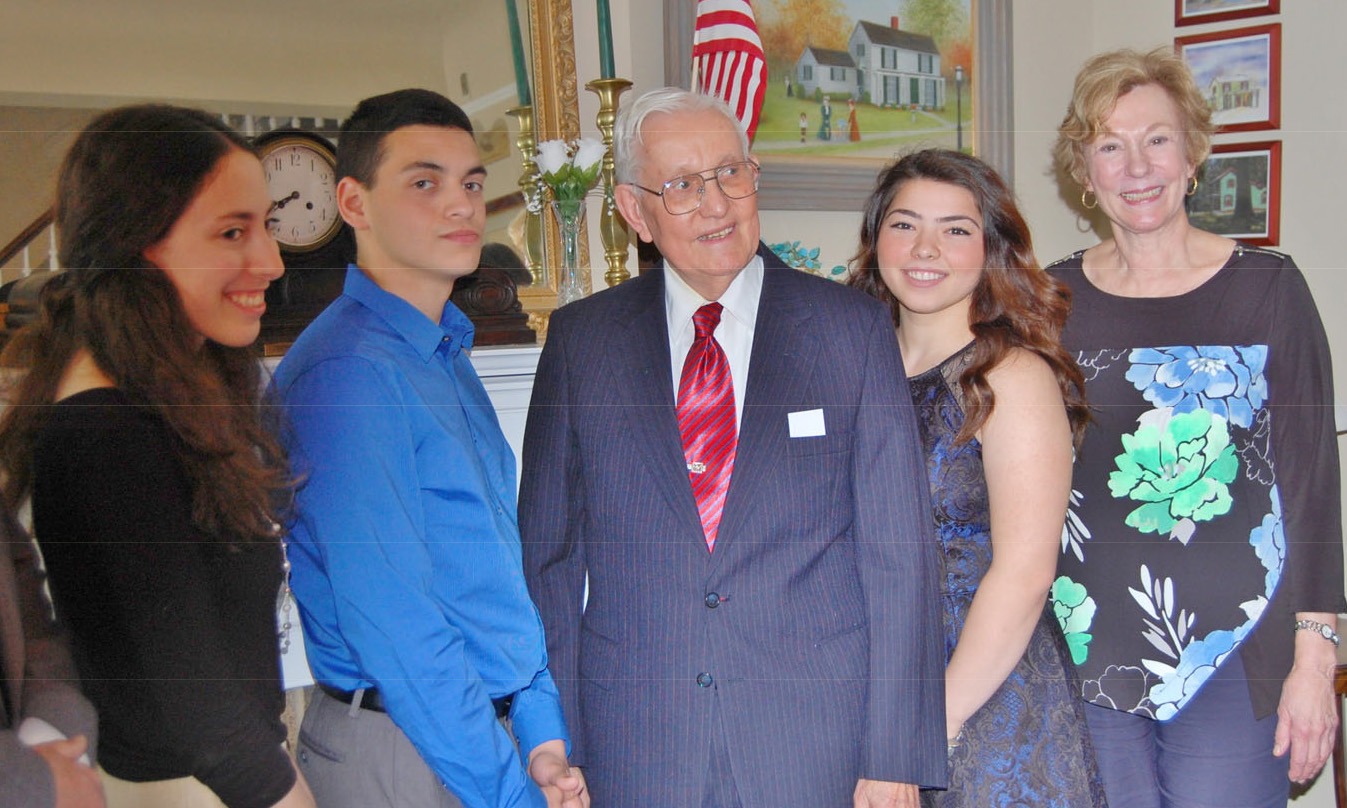
The meeting of May 15 was held as planned in the Hanson House. This was our annual high school student award meeting and this year four graduating students from Union County high schools received financial awards, as well as two books published by the Society concerning local history. The awards were presented by Mike Yesenko, chairman of the committee, with the help of Joanne Rajoppi. These winners were selected by the committee on the basis of competitive essays submitted by several students from some of the local high schools.
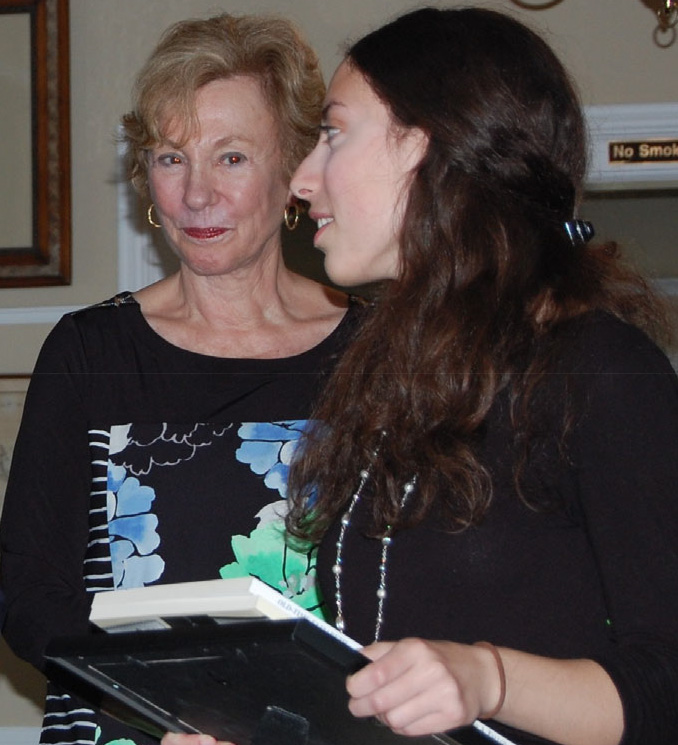
The students were Sara Schatz of JEC Bruriah High School for Girls in Elizabeth, Steven Medina of Union High School, and Regina Arias of Elizabeth High School. Unfortunately, the fourth winner, a student from Westfield High School, Frankanthony Guerriero, was unable to attend and will receive the award later.
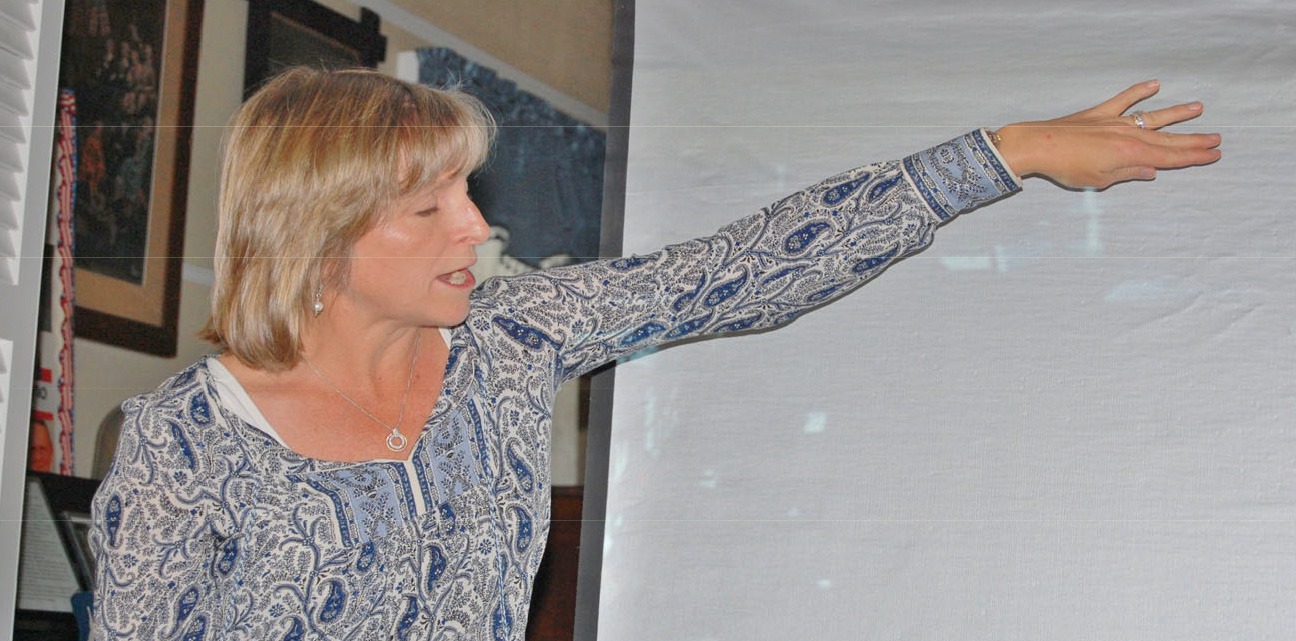
After the presentation of the awards, an interesting slideshow was given by Marybeth Lapham of the Snyder Academy, which works to preserve old historic buildings and sites. She described some of the work that has been done in and around the buildings and cemetery of the First Presbyterian Church of Elizabeth.
Next Meeting Date
Our next general meeting date will be September 11, 2016 at 2 PM at the Hanson House backyard (weather permitting). This will be our annual picnic meeting and we hope for a pleasant day. If necessary the picnic will be held inside the house. A small amount of business will be quickly accomplished and then it will be party time. Come out and enjoy the day.
On August 21 there will be a meeting of the Executive Board at 1:30 PM in the Hanson House to plan for future events.
Pictures From Our Files
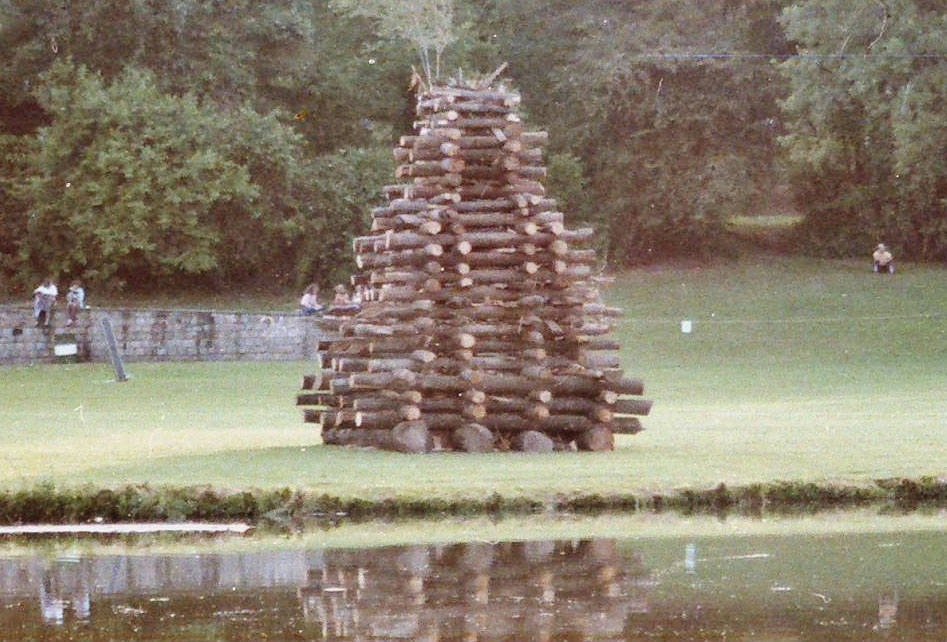
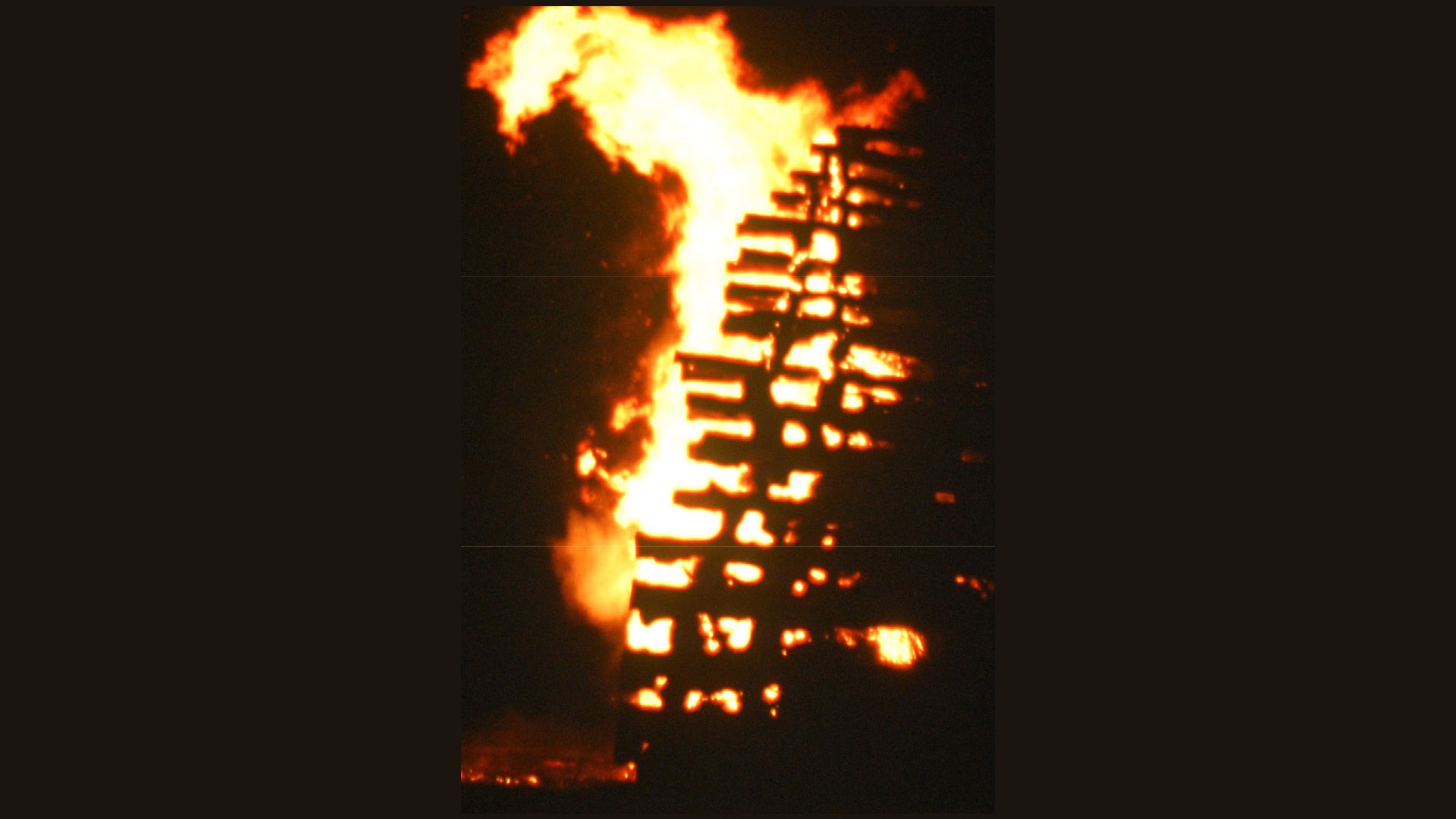
Back in the 1970s our country was beginning to think about ways to celebrate the coming Bicentennial of the United States, and Union County became very involved. Re-enactments of historic events took place throughout the county, and one of them concerned the beacons that had been set up to warn of British military movement during the Revolution. George Washington had ordered that a series of structures at least twenty feet tall should be built on high ground with an easily ignited substance set on its top. One suggested device was a pyramid of logs. At night a blazing fire atop a beacon could be seen by watchers at other beacons, who would then light their own fires and pass the word that something was happening. Cannon fire was also used to add sound to the warning.
It was decided that as part of the re-enactment of the Battle of Springfield of June 23, 1780, a beacon should be added, and arrangements were made to build a tower of logs in Bryant Park, at the border of Springfield and Summit. This was close to where an original beacon had been, but the exact site was not available because of houses and other development. County workers using heavy equipment moved in a number of logs near the edge of the lake and assembled a pyramid of logs, topped with a single branch.
Contrary to the original design, this beacon was to be burned to the ground, so a group of volunteers stuffed it with scrap wood and guarded it while waiting for the time to ignite it. The assembly of the tower was completed by Friday afternoon, and the park was cleaned up and prepared for spectators. The beacon was only part of the weekend commemoration, which included a Saturday parade and a reenactment on Meisel Field on Sunday. The beacon was scheduled to be lit at 9:00 o’clock Saturday night after the parade in Springfield. Because of strong winds, there was some concern about sparks, but a fire engine and crew stood by just in case.
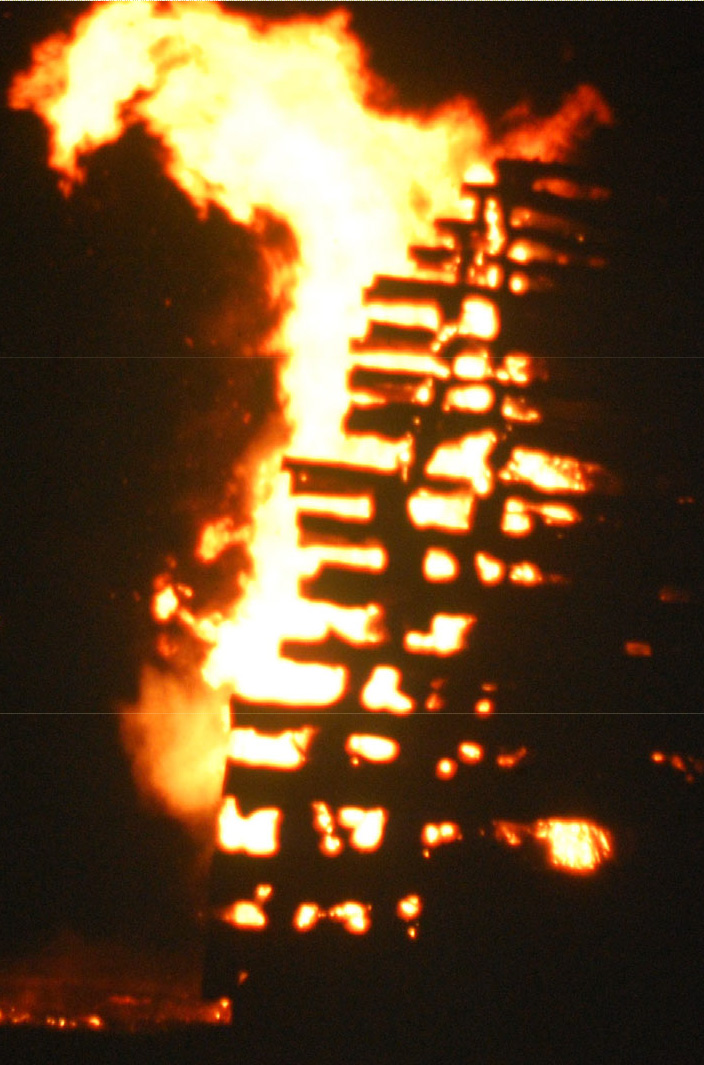
By 8 o’clock, hundreds of spectators had assembled in Bryant Park to watch the show. A public address system allowed them to hear remarks from several speakers, and a crew of Lamb’s Artillery was to signal the moment to start the fire. At 9:00 o’clock, the wind was still blowing hard, but this was the time. A number of cannon fired into the night, and as though hit by that fire, the wind fell away to nothing. The beacon was ignited and, as the flames grew, the sparks fell safely within the pyramid. The fire burned for two hours, and then, over the protests of the remaining spectators, the firemen put out the flames. By then, all that remained was an enormous pile of charcoal.
Over the Back Fence
We still don’t know about how much wood a woodchuck could chuck, and now we have another question. Who takes care of the caretaker’s daughter when the caretaker is busy taking care?
Frequently Asked Questions
What happened at the UCHS May 15, 2016 meeting?
It was the annual Student Award meeting where graduating seniors received financial awards and local history books, presented by Mike Yesenko with Joanne Rajoppi.
Who presented the preservation slideshow and what was it about?
Marybeth Lapham of the Snyder Academy presented a slideshow describing preservation work around the First Presbyterian Church of Elizabeth buildings and cemetery.
Why was a log beacon built in Bryant Park in the 1970s?
It was built for a Bicentennial-era reenactment tied to the Battle of Springfield, demonstrating Revolutionary War warning beacons ordered by George Washington.
Related Newsletters
Issue 133 covers the Hanson House picnic, the “missing sounds” of earlier decades, and the Irvington Avenue Reservoir’s surprising history.
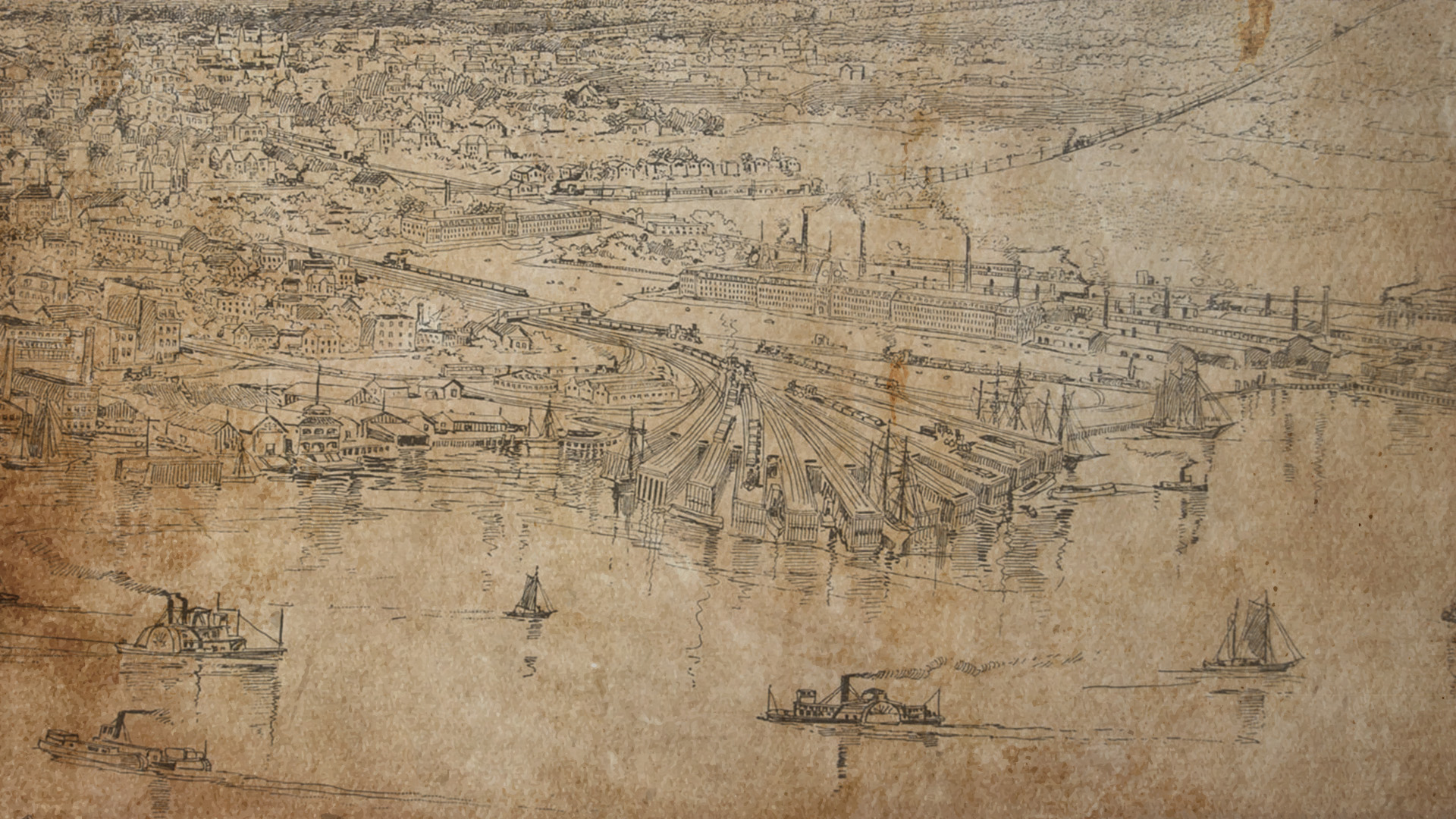
Issue 132 highlights rare newspaper treasures, Elizabeth’s pioneering submarine, Revolutionary-era history, and an 1880 bird’s-eye view of the waterfront.


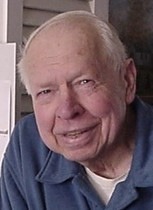 Our longtime friend and Society Treasurer, Bill Frolich, sadly passed away on September 30th 2021. He was 101 years old, a 45-year member of UCHS, and the writer/editor of our Newsletter. Bill and his extraordinary knowledge of Union County history will be greatly missed.